
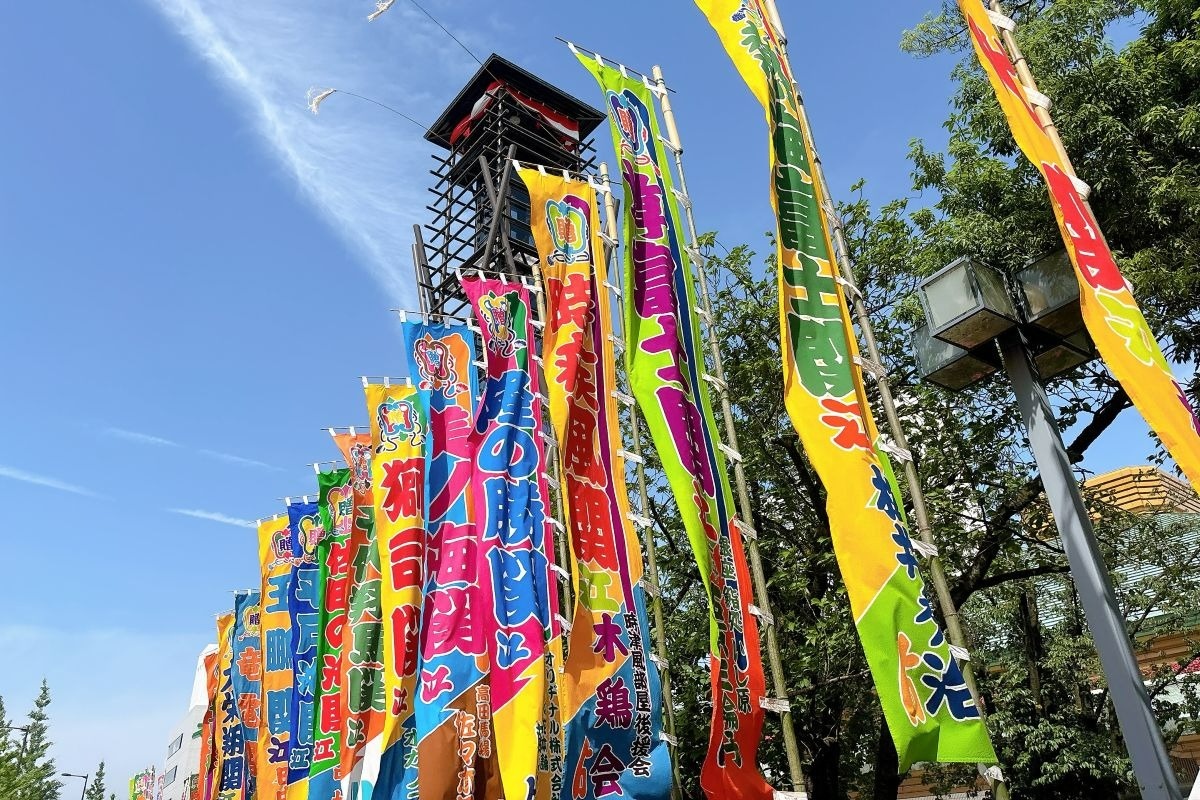
Ryogoku, the Place for Grand Tournaments in Tokyo
The Only Building Built Exclusively for Sumo
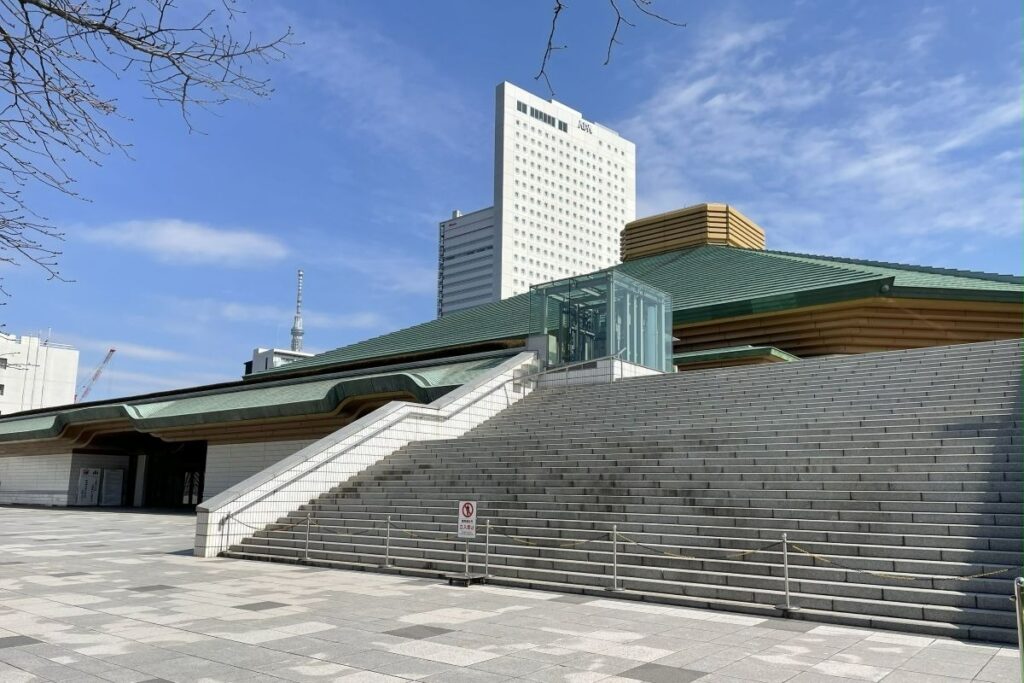
Out of six grand tournaments (Honbasho) held throughout the year, three are held in Tokyo, in January, May, and September, and all of them are held in Ryogoku Kokugikan, the sacred stomping grounds of sumo.
When there isn’t a grand tournament on, the venue is used for other martial arts tournaments, concerts, and other events, but even then, the Kokugikan has an impressive atmosphere that cannot be felt anywhere else, as the only building in Japan built purely for sumo. Even sumo fans who live in distant regions want to come and see a tournament here.
It is right in front of you as you turn right out of the West Exit of JR Ryogoku Station on the Sobu Line, and seven minutes’ walk from Ryogoku Station on the Toei Oedo Line.
Is There a Way to Enjoy the History of the Kokugikan?
The history of Ryogoku Kokugikan: The Spirit of Wa Passed Down from the Former Kokugikan
The first Kokugikan was built on the grounds of what is now Ekoin Temple, in 1909. Following two reconstructions after fires and the Great Kanto Earthquake, it even survived the Second World War, but was closed in 1946 after the November Grand Tournament and the retirement ceremony of the 35th Yokozuna (Grand Champion), Futabayama.
Thereafter, grand tournaments were held at the Kuramae Kokugikan in Taito City until the September tournament in 1984, and many people went to visit it.
The current Kokugikan has been in use since the January 1985 grand tournament.
Unique Ways to Enjoy the Tokyo Tournaments
The Kokugikan building itself has plenty to enjoy.
The first thing that greets you inside is a large painting of Nomi no Sukune and Taima no Kehaya, who are believed to be the first sumo wrestlers in Japan.
As you admire the magnificent Emperor’s Cup trophy in the display case and take a left, you’ll find the sumo guidance counter, also called the “Ochaya-san” (the tea shop). Decorated with seasonal flowers, this counter feels like it was pulled right out of the Edo period. The view overlooking the arena is also breathtaking. You can enjoy sumo with all five senses here.
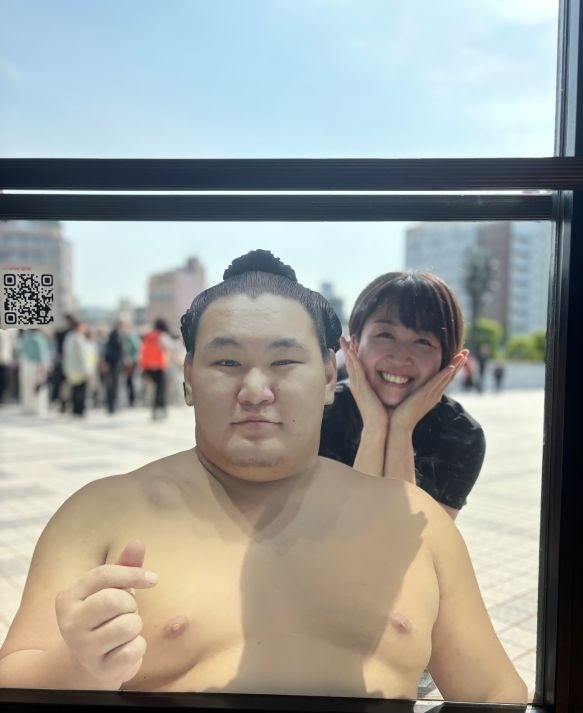
By the way, there are also many cute pictures of wrestlers on the second floor of the Kokugikan!
Why not get a picture together with a wrestler?
Ryogoku Kokugikan
| Access | 2 minutes’ walk from the West Exit of JR Ryogoku Station |
| Address | 1-3-28 Yokoami, Sumida-ku, Tokyo |
| URL | https://kokugikan.sumo.or.jp/ |
Recommended Tours When Going to See a Tournament
Sumo Spots to See Before the Tournament
Sumo Museum
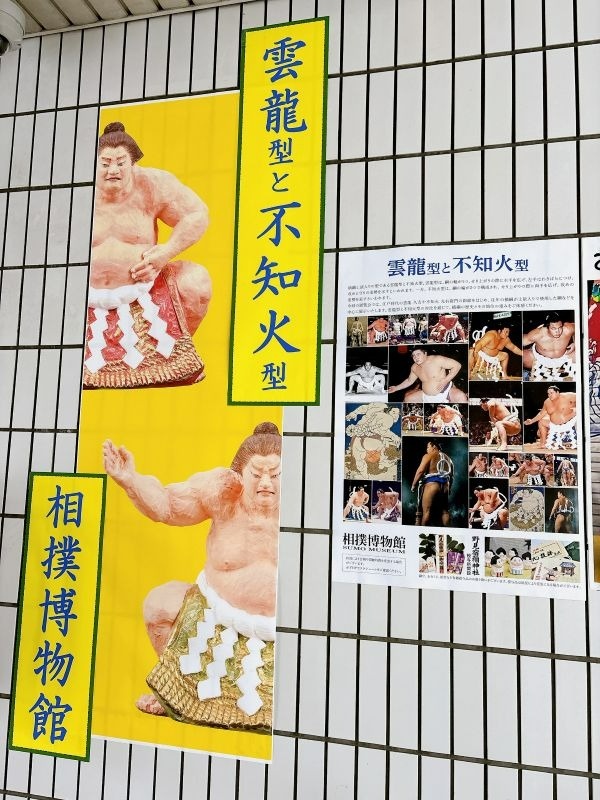
The Sumo Museum, located inside the Kokugikan, is often overlooked despite being so accessible.
This small museum changes its exhibits every so often, just like a normal museum. It is free to view, both during a grand tournament as well as when there isn’t one on. Starting with the September tournament, there are plans to hold an exhibition about former Yokozuna Terunofuji, who retired in January and now leads a major stable faction as Isegahama Oyakata.
Whether you have tickets to the tournament or are simply craving more sumo, this museum is well worth a visit after a tournament ends.
Sumo Museum
| Address | 1-3-28 Yokoami, Sumida-ku, Tokyo |
| Hours | During normal season – 10:00-16:30 (last admission at 16:00); During a Tokyo Grand Tournament – 12:30-16:00 *Admission ticket required. |
| Closed | Saturdays, Sundays, national holidays (open on certain days), New Year’s holiday (open every day during a Tokyo Grand Tournament) *Other irregular closed days. Please check the website for details. |
| Price | Free (during a Tokyo Grand Tournament, an admission ticket to see the sumo wrestling is required) |
| URL | https://www.sumo.or.jp/KokugikanSumoMuseum/ |
Ryogoku Takahashi
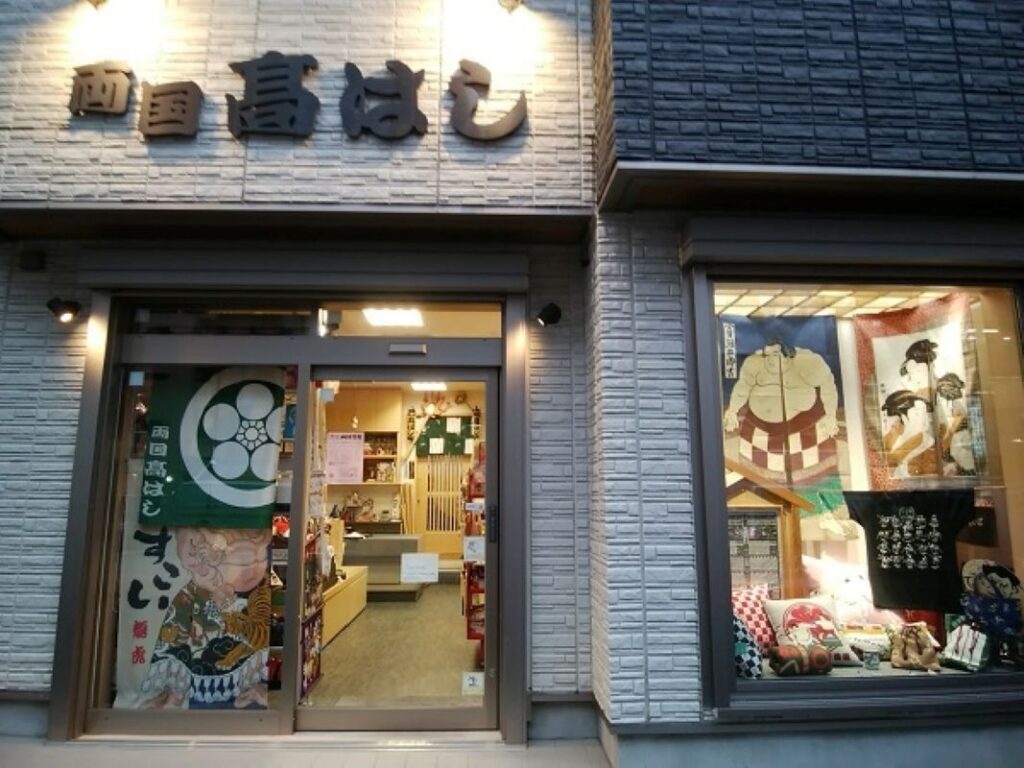
A famous specialist shop in Ryogoku where you can buy Grand Tournament Cushions (zabuton), and other cushions and sumo-related memorabilia. Grand Tournament Cushions are special cushions embroidered with the wrestler’s name that only they can bring to the tournament, and are used when sitting and waiting at the foot of the sumo ring.
This shop also sells all sorts of everyday items closely related to the lives of sumo wrestlers, such as the cylindrical pillows and tabi socks they use, and even seaweed paste (funori) used to make the taut hanging garments (sagari) worn by top-ranked sumo wrestlers. There is also plenty of sumo merchandise that the general public can buy and enjoy.
Ryogoku Takahashi
| Address | 4-31-15 Ryogoku, Sumida-ku, Tokyo |
| Inquiries | 03-3631-2420 |
| Hours | 09:30-18:15 |
| Closed | Sundays (excluding when a Tokyo Grand Tournament is on). |
| URL | http://edo-sumo.d.dooo.jp/ |
Lion Do
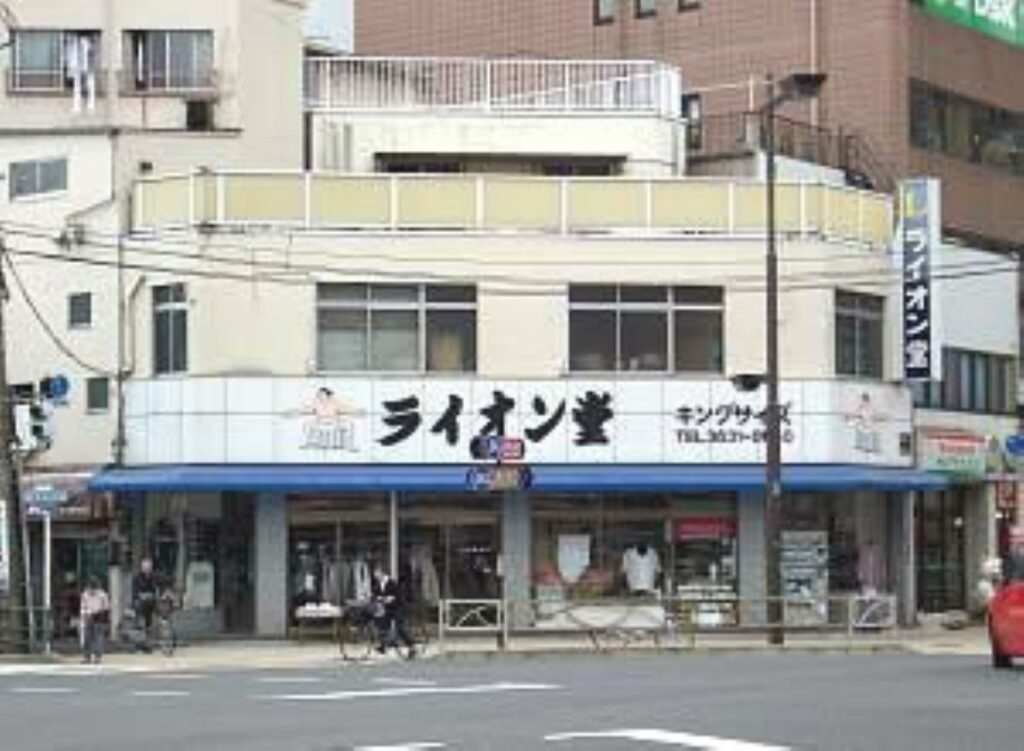
Founded in 1907, Lion Do is a king-size clothing store facing the intersection of Kiyosumi-dori and Keiyo Road in Midori 1-chome.
This store only sells large-sized clothing to fit chest/waist sizes of over 100cm, neck sizes of over 46cm, and leg sizes of over 27cm. This clothing includes the underwear, casual clothing, shirts, etc., that sumo wrestlers wear under their kimonos. The largest size they have goes all the way to 10L!
These days, the number of general customers is also increasing with a trend of wearing oversized, baggy clothing.
Lion Do
| Address | 4-30-10 Ryogoku, Sumida-ku, Tokyo |
| Hours | 09:30-18:00 |
| Closed | Sundays and national holidays. |
| URL | https://www.liondo.co.jp/ |
Nomino Sukune Shrine
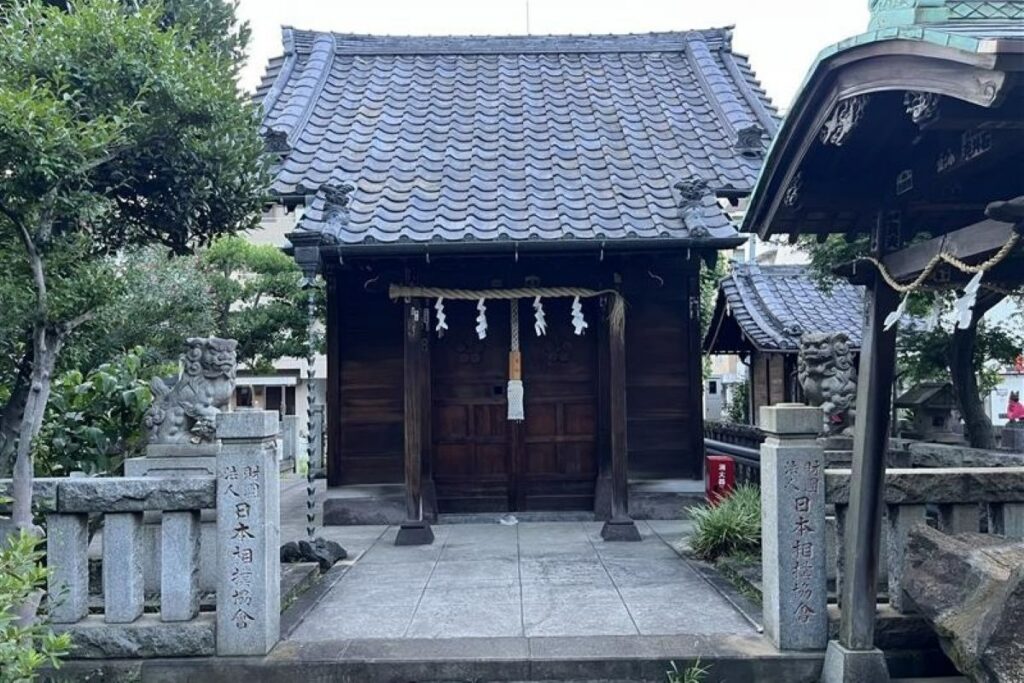
Sumo fans should also make a point of visiting Nomino Sukune Shrine, which enshrines the god of sumo.
As I mentioned in the beginning, the first sumo match in Japan was between Nomi no Sukune and Taima no Kehaya, with Nomi no Sukune winning. There are two stone monoliths on the grounds with the names of Yokozuna throughout history engraved on them, and new Yokozuna are required to perform a ceremonial ring-entering ritual here at least once.
It may be a small-scale shrine, but just being there brings a quiet, inexplicable sense of calm, as if the god of sumo is protecting you.
Nomino Sukune Shrine
| Address | 2-8-10 Kamezawa, Sumida-ku, Tokyo |
Recommended Cuisine to Eat when Going to See a Tournament
Kokugikan Yakitori and Underground Chanko
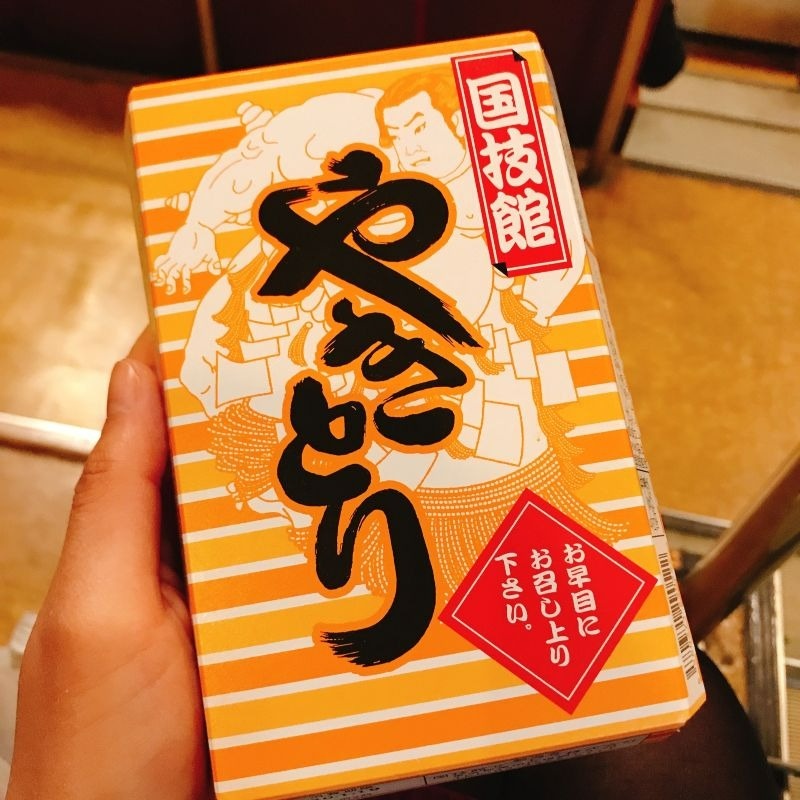
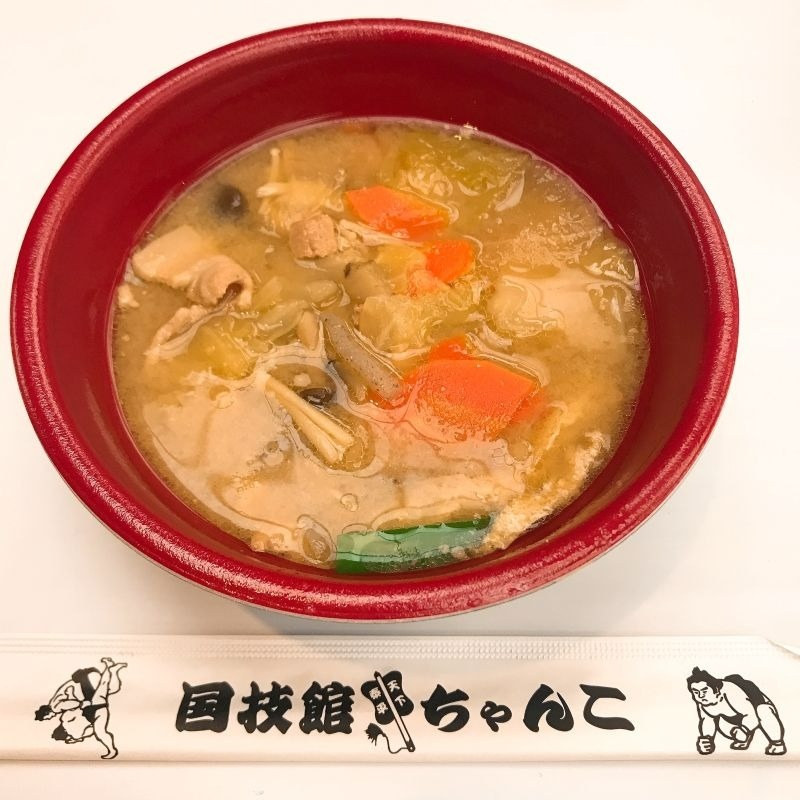
The signature dish at the Kokugikan is the yakitori (grilled chicken). While many bento boxes sell out around lunchtime, the yakitori grilled in the basement of the Kokugikan is always available. The breast and meatball yakitori with sauce are delicious even when cold and make a great snack. I don’t know how many hundreds I’ve eaten in my life.
What’s more, down in the large basement hall, you can savor chanko (sumo stew) that changes every week, for just 500 yen. The supervisor changes every week, so you can enjoy the different flavors.
Yokozuna/Ozeki Bentos
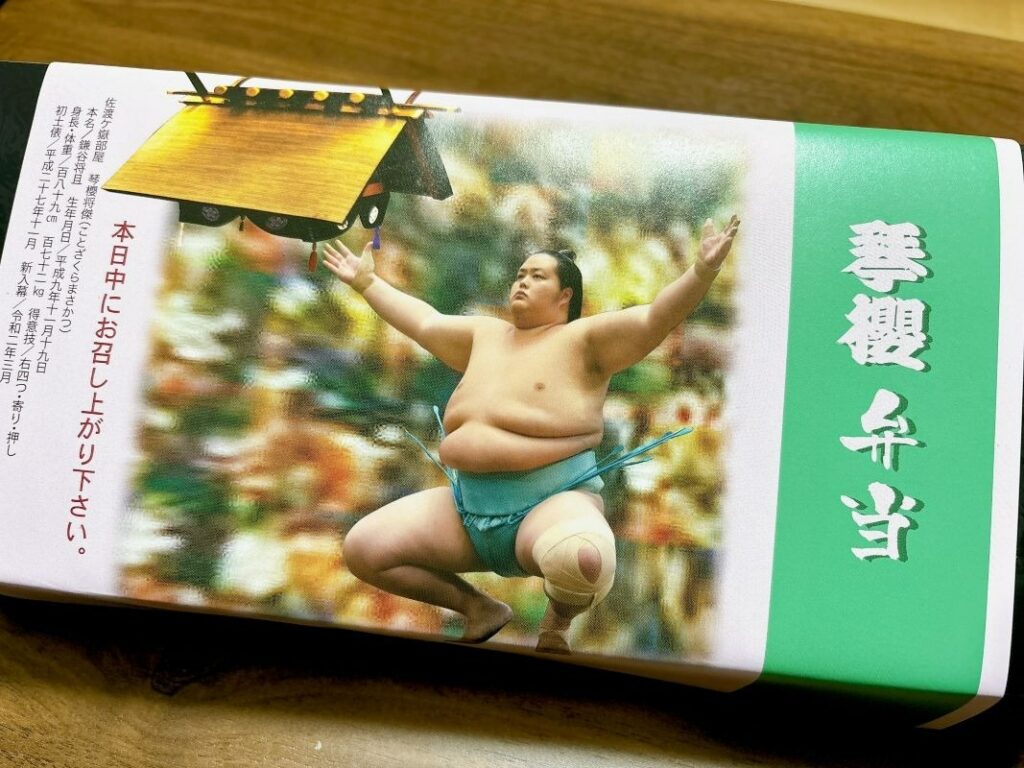
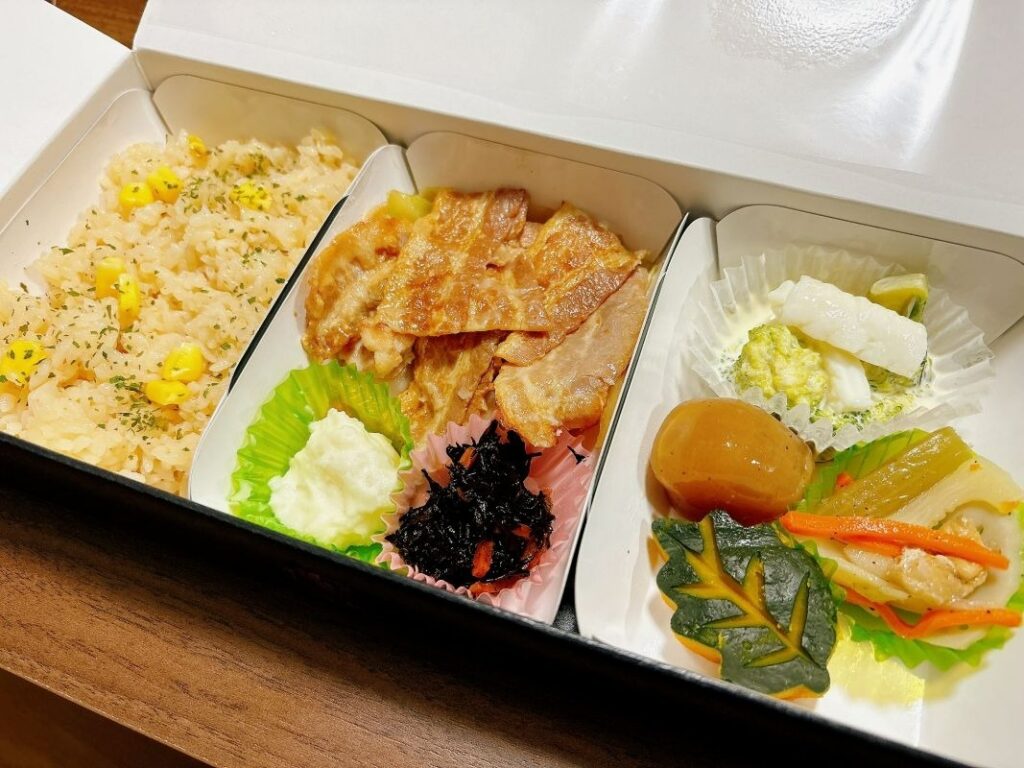
Also worth picking up are the bentos featuring photos of the top-ranked Yokozuna and Ozeki wrestlers to commemorate your time at a tournament. Each bento is produced by the respective Yokozuna or Ozeki, and includes their favorite foods or ingredients from their hometowns.
Personally, I recommend the Kotozakura bento, which includes stewed konjac balls and fried pork and vegetables. According to his father and stablemaster Sadogatake (formerly the sumo Kotonowaka), Kotozakura loved garlic fried rice ever since he was a small child.
Restaurants Recommended by Wrestlers
Tonkatsu Hasegawa Ryogoku Branch
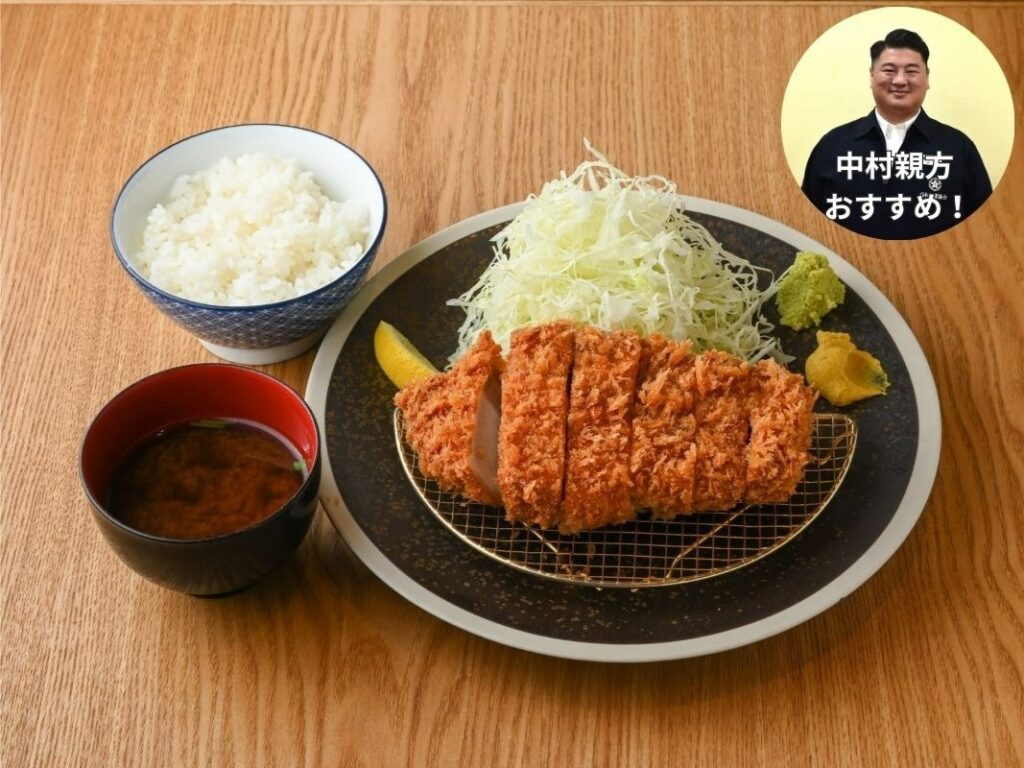
Now for some Ryogoku cuisine that sumo wrestlers frequent.
First there is Tonkatsu Hasegawa, right by the East Exit of JR Ryogoku Station. This popular restaurant has queues every day, and is recommended by former Sekiwake Yoshikaze, stablemaster Nakamura.
According to the stablemaster, “everything is delicious, but especially the hire katsu (tenderloin)!”
I’ve also been many times, and not only is the breadcrumb crust light and crunchy, but if you add salt it pairs well with alcohol. You can also book a delicious pork shabu-shabu featuring plenty of leek and mizuna. It is easy to get to from the Kokugikan, making it perfect for dinner after a tournament.
Tonkatsu Hasegawa Ryogoku Branch
| Address | Ryogoku Ozaki Bldg. 103, 3-24-1 Ryogoku, Sumida-ku, Tokyo |
| Inquiries | 03-5625-2929 |
| Hours | Lunchtime – Weekdays 11:30-15:00 (last order: 14:30); Weekends/national holidays 11:00-15:00 (last order: 14:30); Dinnertime – 17:00-22:30 (last order: 22:00) |
| Closed | December 30 to January 3 |
| URL | https://tonkatsu-hasegawa.com/ |
Inonaka
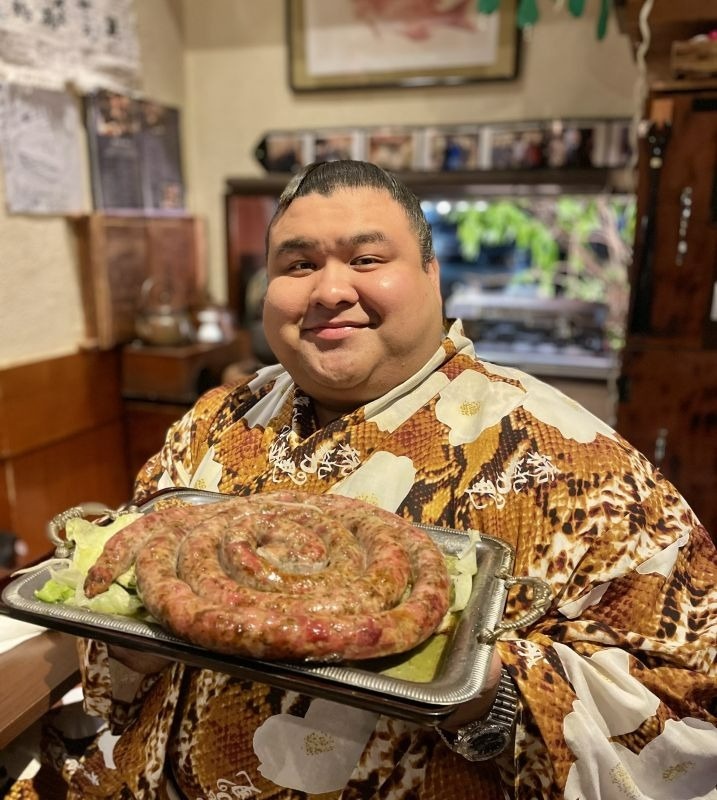
Inonaka is an izakaya (pub) recommended by the popular wrestler Takayasu Akira, and the place to enjoy carefully selected sake paired with blends of Japanese and Western cuisine. The nearest station is JR Kinshicho Station, and Takayasu has been going there for almost 15 years. The interior is decorated with pictures of the senior-ranked wrestler Takayasu and his wife (the enka singer Konomi Mori). Takayasu has praised the food, saying “the liver paste on freshly toasted bread, thick-cut sashimi, roast beef, and pasta, are all amazing!” The servings are big enough to fill even a sumo wrestler’s stomach.
Inonaka
| Address | 2-5-2 Kinshi, Sumida-ku, Tokyo |
| Hours | Monday to Friday – 17:00-23:00 (last order: 22:00, drinks last order: 22:30); Saturdays/national holidays 17:00-22:30 (last order: 22:00) |
| Closed | Sundays |
| URL | https://www.instagram.com/inonaka_111/ |
BLESS
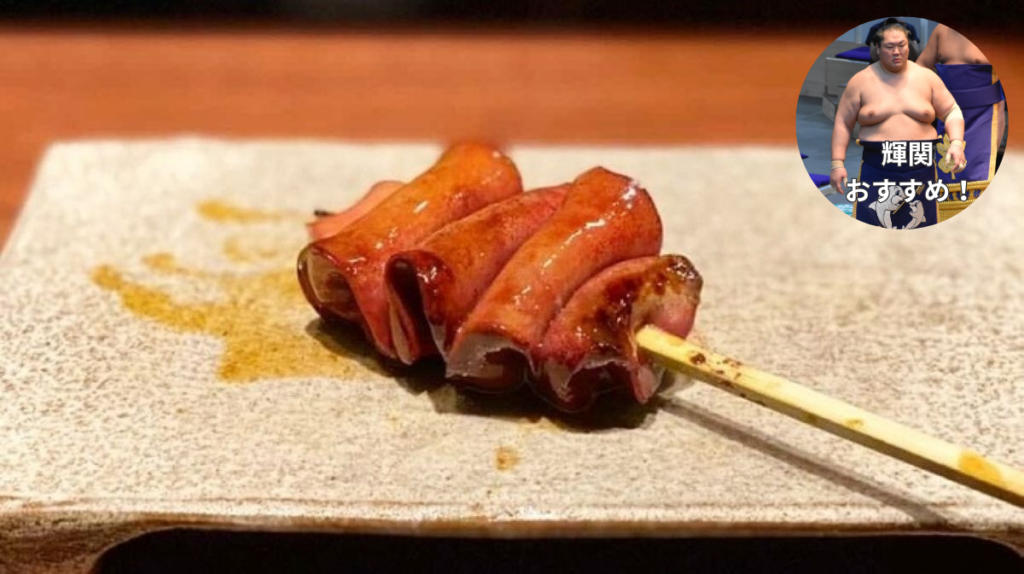
Lastly is the yakitori restaurant BLESS, which Kagayaki, the top foodie in the sumo world, highly recommends. Kagayaki is known as a foodie even among sumo wrestlers. He told me about many places he has visited, but BLESS was one I was particularly interested in. The main item is the course of yakitori, but Kagayaki says, “the foods on the menu other than yakitori are also extremely tasty.” After indulging in the world of Japanese tradition (wa) at the Kokugikan, you can enjoy the stylish marriage of yakitori and wine.
BLESS
| Address | 2-20-13 Morishita, Koto-ku, Tokyo |
| Hours | Wednesdays/Thursdays/Fridays/the day before a national holiday – 18:00-22:30 (last order: 22:00); Saturdays – 17:00-22:30 (last order: 22:00); Sundays/national holidays – 17:00-21:30 (last order: 21:00) |
| Closed | Mondays, Tuesdays, the day after a national holiday |
| URL | https://www.instagram.com/yakitoribless/?hl=ja |
How to Watch a Tournament & Manners
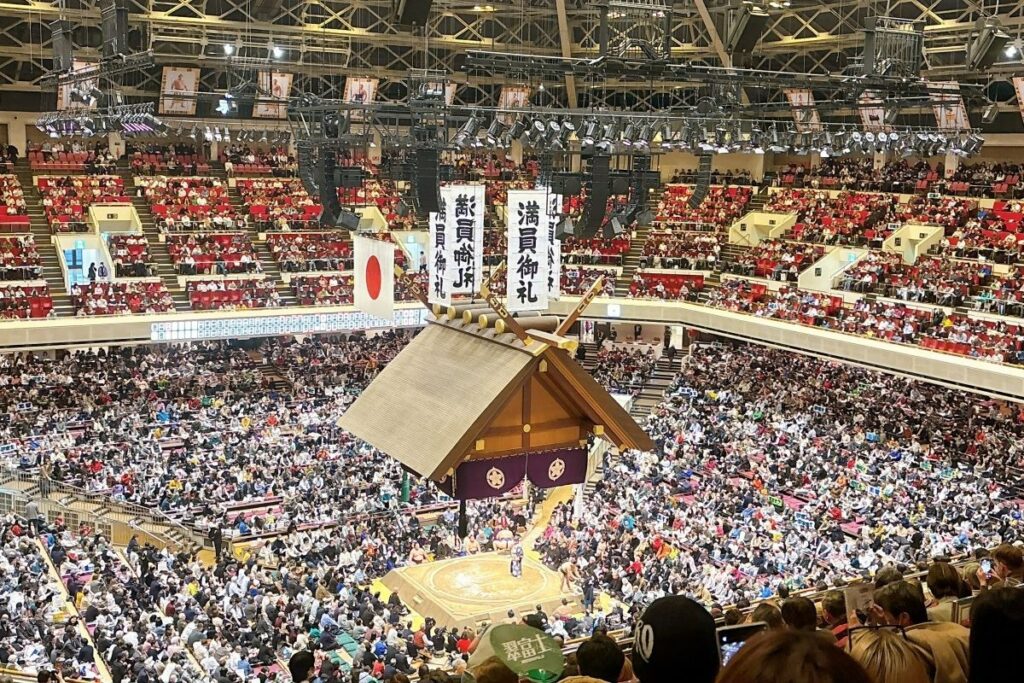
Many visitors worry that sumo comes with a long list of rules, but you can relax. There is no dress code, and as long as you aren’t ringside, you can eat or cheer on wrestlers from your seat. Please relax and enjoy the spectacle. But there are two things I’d like people to be aware of:
1. Do not leave your seat during grappling
You can move around in between matches, but between the moment before the grappling starts until after the match is decided, please do not get out of your seat, as it will inconvenience other spectators. If you are in the middle of going back to your seat and you hear the referee shout “Hakki yoi!” then crouch down in the aisle, etc., and try not to block anybody else.
Also, it is fine to cheer on the wrestlers, but please refrain from doing so before the grappling starts, when they need to focus the most.
2. Do not throw your cushion
Many people have probably seen videos of the audience erupting in cheers and throwing cushions when there is an upset in the finals, such as when a Yokozuna loses. However, in reality, you are not supposed to do this, and there are announcements that say, “please do not throw cushions as it is dangerous.”
I have also been hit in the back of the head with a cushion when I was ringside, and it really hurt! I know it is easy to get excited, but please cheer them on with your voice and not your cushion.
Conclusion
Banners flutter, drums pound, and the scent of hair pomade drifts through Ryogoku, a neighborhood that still breathes the spirit of old Edo. Why not take the chance to stroll around this area? Ryogoku is the place where you can experience the history and culture of sumo wrestling at any time, so why not take a trip to see a real sumo tournament held at the Ryogoku Kokugikan at least once? The world of sumo is fun to watch and delicious to taste. Ryogoku is always ready to welcome you.
*Interview cooperation: Nihon Sumo Kyokai, Ryogoku Takahashi, Lion Do, Nomino Sukune Shrine, Kokugikan Service Corporation, Tonkatsu Hasegawa, Inonaka, BLESS
*Photo provided by: Saki Iizuka, Ryogoku Takahashi, Lion-do, Tonkatsu Hasegawa, Inonaka, BLESS
*Information as of August 2025.
Author: Saki Iizuka