The JR Nara Line, linking Kyoto and Nara, celebrates its 130th anniversary this year. The line opened in full in 1896 (Meiji 29), and for well over a century it has carried travelers between Japan’s two ancient capitals, still linking the history and culture found along its route today. There are several ways to travel between Kyoto and Nara, but if you have a JAPAN RAIL PASS, the JR Nara Line is the one to choose, since it is fully covered by the pass. And if your trip falls on a Saturday, Sunday, or public holiday, there’s a special train you won’t want to miss.
A Relaxing Trip to Uji and Nara on the Special Limited Express Inishie
The Inishie is a special limited express that makes one round trip a day between Kyoto and Nara on the JR Nara Line on Saturdays, Sundays, and public holidays. It also stops at Uji Station, so you can easily add sightseeing in Uji, or continue from JR Nara Station to the Sakurai and Miwa area, letting you be flexible in your planning. Every seat is reserved, so you can spend the ride in comfort, exactly the way you like.
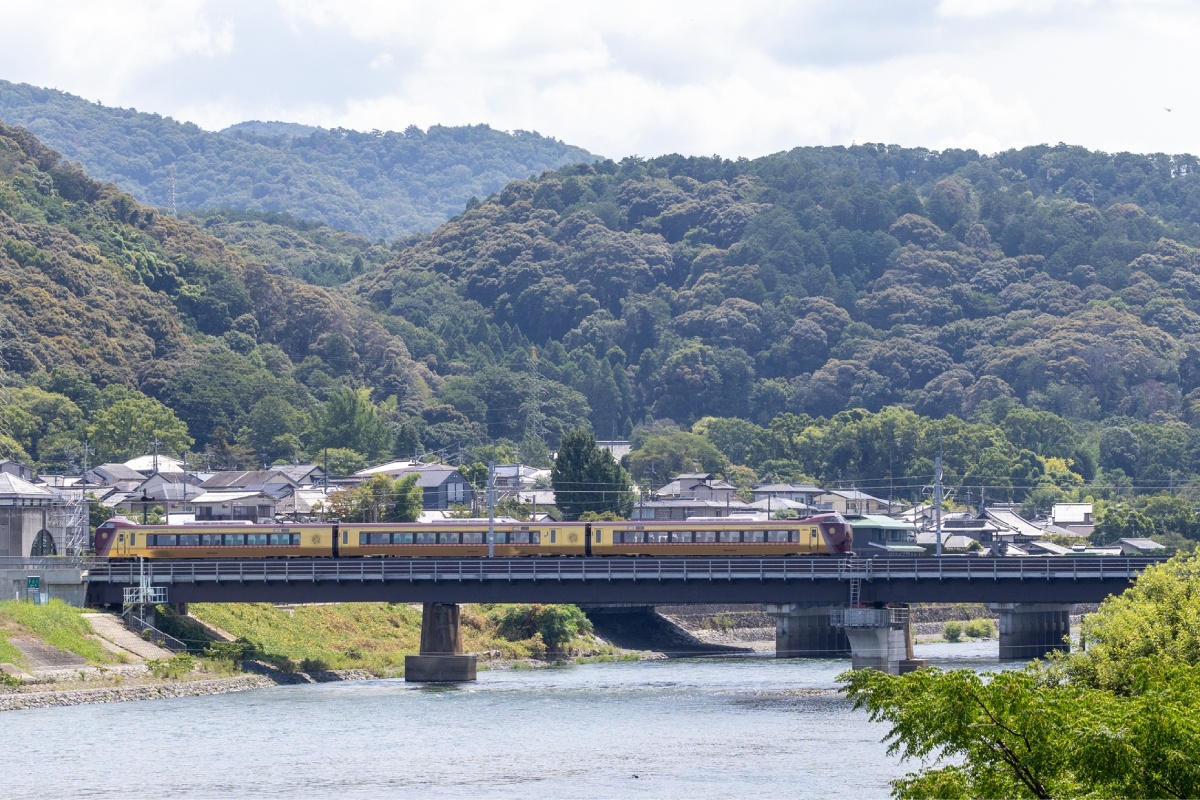
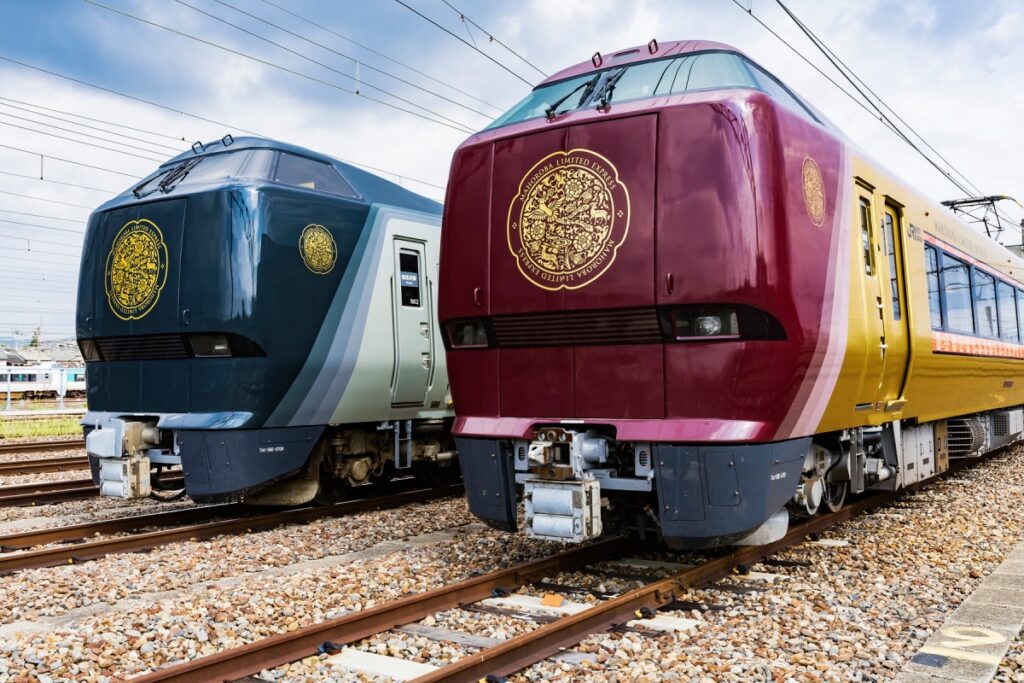
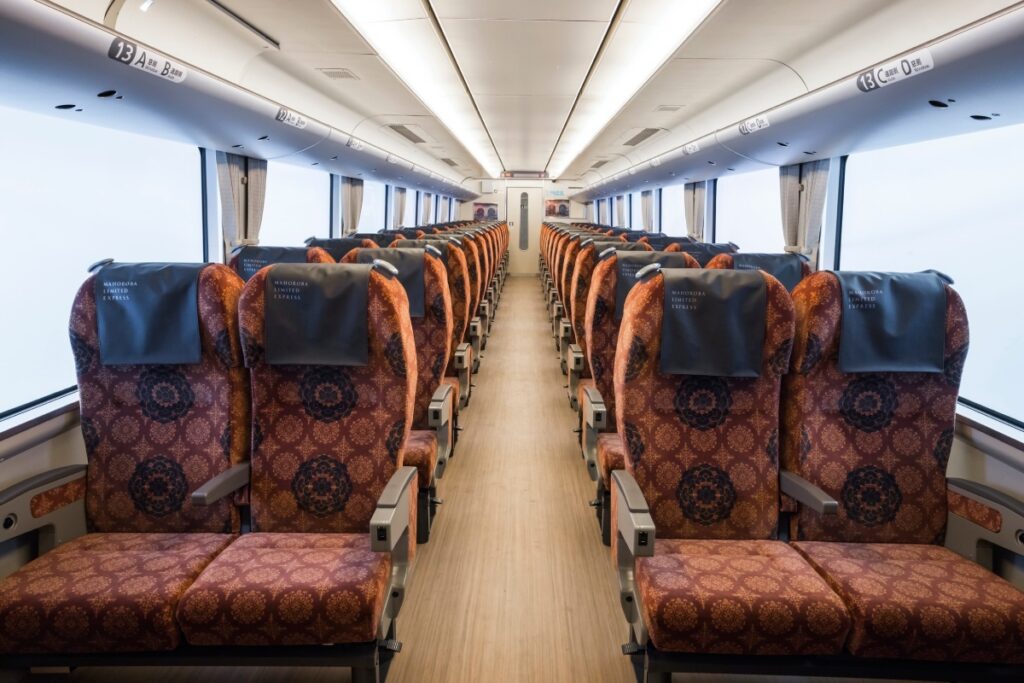
When the Inishie pulls into the station, its gleaming body, which looks almost as if it were covered in gold leaf, immediately catches the eye. Inside, soft lighting fills the cabin, and hosoge floral patterns inspired by Nara’s long history give the space an elegant feel. On the platform, adults and children alike raise their smartphones to photograph this beautiful train. It stands out even when it is on the move.
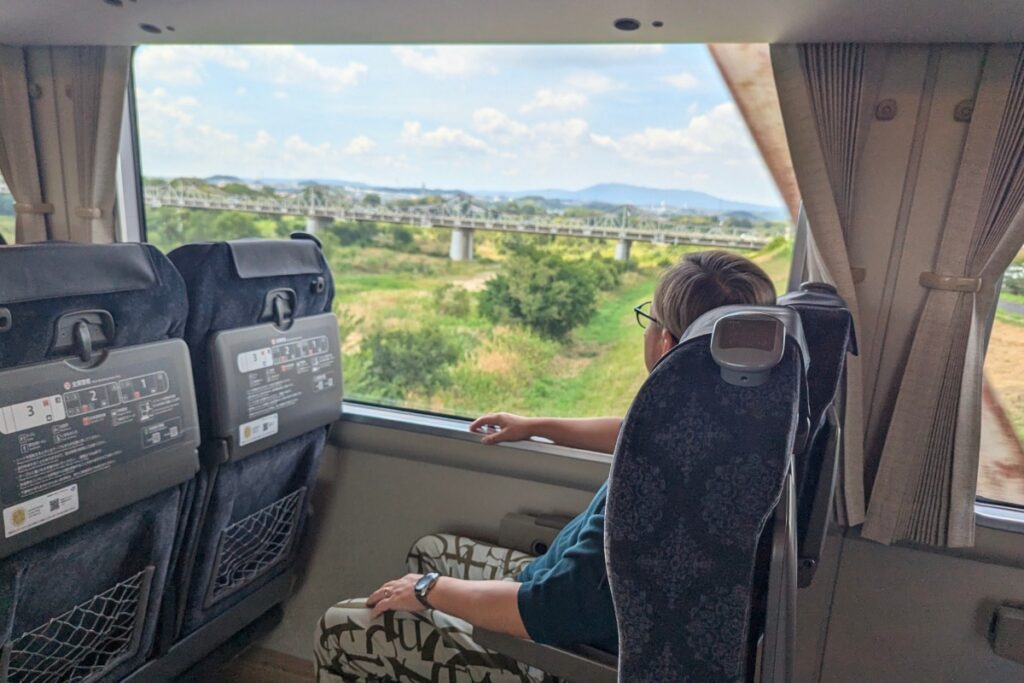
On the Inishie, the ride between Kyoto and Nara becomes part of the fun. Sink into a deeply reclining seat and relax as the scenery passes by your window. As every seat is reserved, you can enjoy a calm, unhurried journey that feels quite different from riding a local or rapid train.
You can board the Inishie at Kyoto Station, but we also recommend combining it with sightseeing in Uji. Spend the day before exploring Kyoto, then take a local train to Uji early the next morning. After walking through the setting of The Tale of Genji, continue on to the Yamanobe-no-Michi trail. Stillnessrly morning, Uji-bashi Street and the local temples and shrines are swathed in stillness, and along the Uji River you’ll see people out for a walk or a jog.
After enjoying breakfast at Unagi Wasa, one of the highlights of this trip, board the Inishie departing Uji Station at 10:59. The appeal of this plan is that you can add Uji sightseeing on the way from Kyoto to Nara and still travel in comfort. As the train crosses the Narayama hills and the Nara Basin opens up before you, you’ll feel that you’ve truly arrived in Nara.
You’ll reach Nara Station shortly before noon, so you can take your time exploring. Stay overnight in Nara to enjoy the city at a relaxed pace, or visit World Heritage sites such as Todaiji Temple and Kasuga Taisha Shrine before heading to Kyoto or Osaka as a day trip. Another great thing about traveling between Kyoto, Nara, and Osaka is that you can choose from a wide variety of routes to match the length of your stay.
Recommended Spots in Uji
Byodo-in Temple
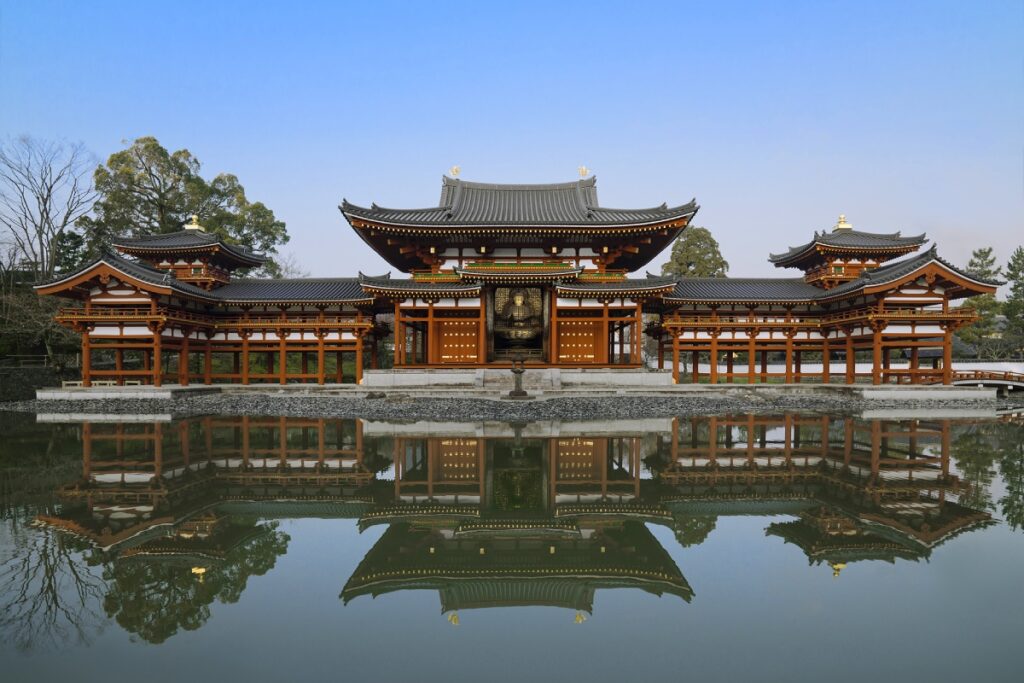
This temple is home to the Phoenix Hall, famous for appearing on the 10-yen coin. On Saturdays and Sundays, a line often forms even before the gates open. The view of the Phoenix Hall across Aji-ike Pond, and its reflection in the water, known as the “Upside-Down Phoenix Hall,” are especially beautiful. There is much more to see as well, including the Hoshokan Museum and the National Treasure statue of the seated Amida Nyorai (Amida Buddha) inside the Phoenix Hall.
Byodo-in Temple
| TEL | 0774-21-2861 |
| Hours | 8:45–17:15 (last admission) (Hoshokan Museum: 9:00–16:45 last admission; Phoenix Hall interior: 9:30–16:10 last admission) |
| Closed | Open every day |
| Admission | ¥700 (includes the Hoshokan Museum); Phoenix Hall interior tour ¥300 extra |
| Address | 116 Uji-Renge, Uji, Kyoto |
| Access | 10-minute walk from JR Uji Station |
Unagi Wasa
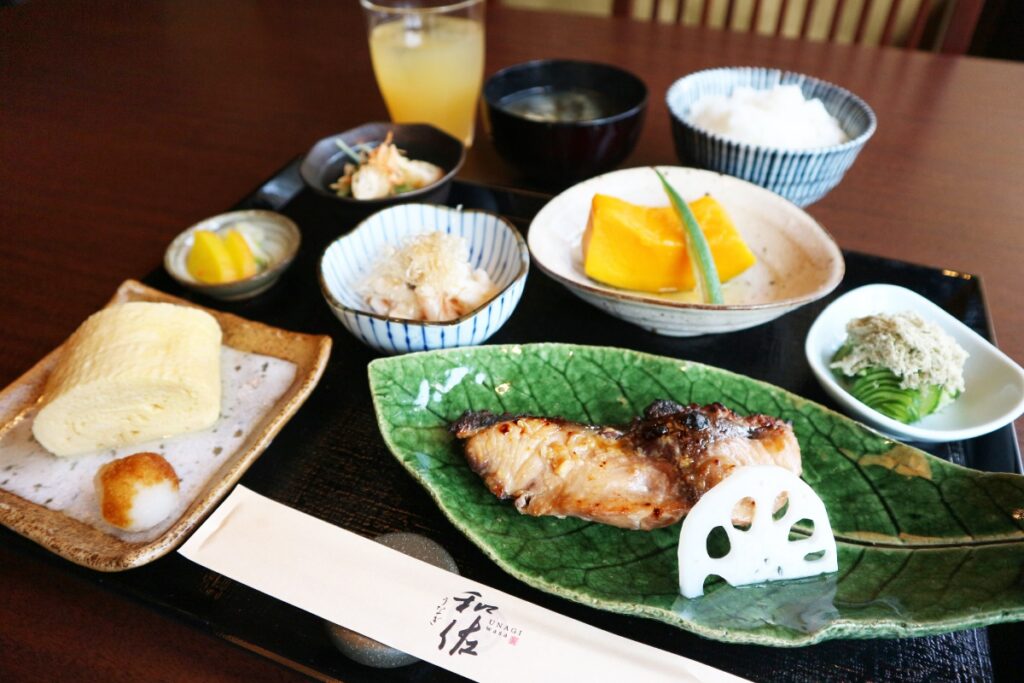
This eel specialty restaurant is run by Tatsumiya, a Kyoto cuisine restaurant founded in 1840 (Tenpo 11). It is located on the first floor of the Uji Daiichi Hotel, and the breakfast served to hotel guests is also open to the public. The popular “Ryoriya Breakfast” (restaurant-style breakfast) features a fish or chicken dish served with dashimaki rolled omelet and side dishes. You can have free refills of rice, miso soup, and drinks.
Unagi Wasa
| TEL | 0774-25-8989 |
| Hours | 7:00–9:00 (last order), 11:00–14:00 (last order) |
| Closed | 2nd and 4th Tuesdays (breakfast closed every Tuesday), Wednesdays |
| Address | Uji Daiichi Hotel 1F, 178-13 Uji-Myoraku, Uji, Kyoto |
| Access | 13-minute walk from JR Uji Station |
Strolling Along the Uji River
The banks of the Uji River are perfect for an early morning walk. Cross Kisen Bridge to Tonoshima Island, where you’ll find the boarding area for cormorant fishing boats and the cormorants’ huts, a scene that is classic Uji.
Local Trains Are Fun Too: Spots Along the Nara Line
Even if you’ve never heard of the JR Nara Line, you may have already ridden it without realizing it, since it’s the line from Kyoto Station to Tofukuji Temple and Fushimi Inari Taisha Shrine. Both are must-see spots, of course, but there are plenty more places worth stopping at farther down the line.
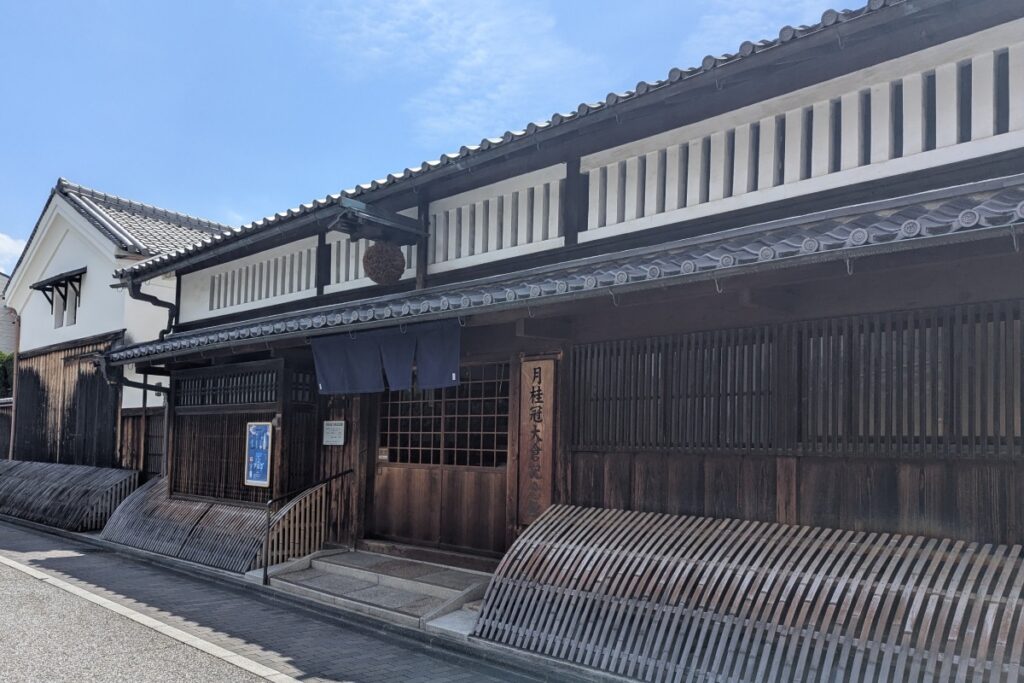
Get off at Momoyama Station and you’ll be in Fushimi Ward, at the southern edge of Kyoto City and a district famous for sake brewing. The Gekkeikan Sake Museum occupies a renovated Meiji-era sake brewery and introduces the history and culture of sake brewing in Fushimi. Along with displays of traditional brewing tools, you can also enjoy a sake tasting.
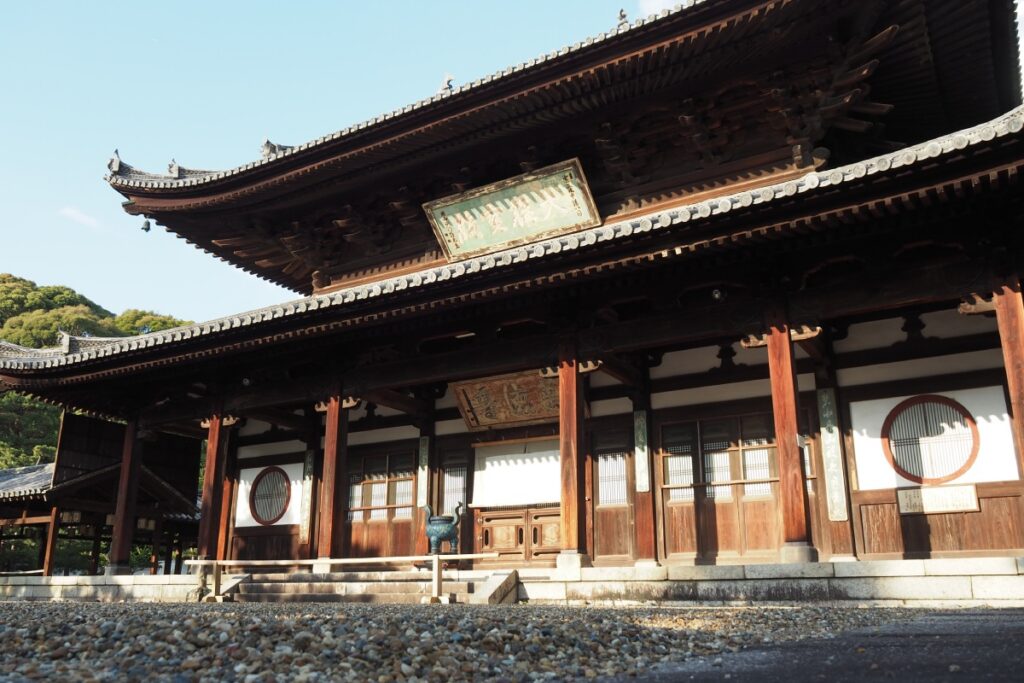
Near Obaku Station stands Manpukuji Temple, the head temple of the Obaku school of Zen Buddhism, known for its beautiful Chinese-style buildings. Three of them, the Hatto (Dharma Hall), Daiyuhoden (Main Hall), and Tennoden (Hall of Heavenly Kings), were designated National Treasures in 2024.
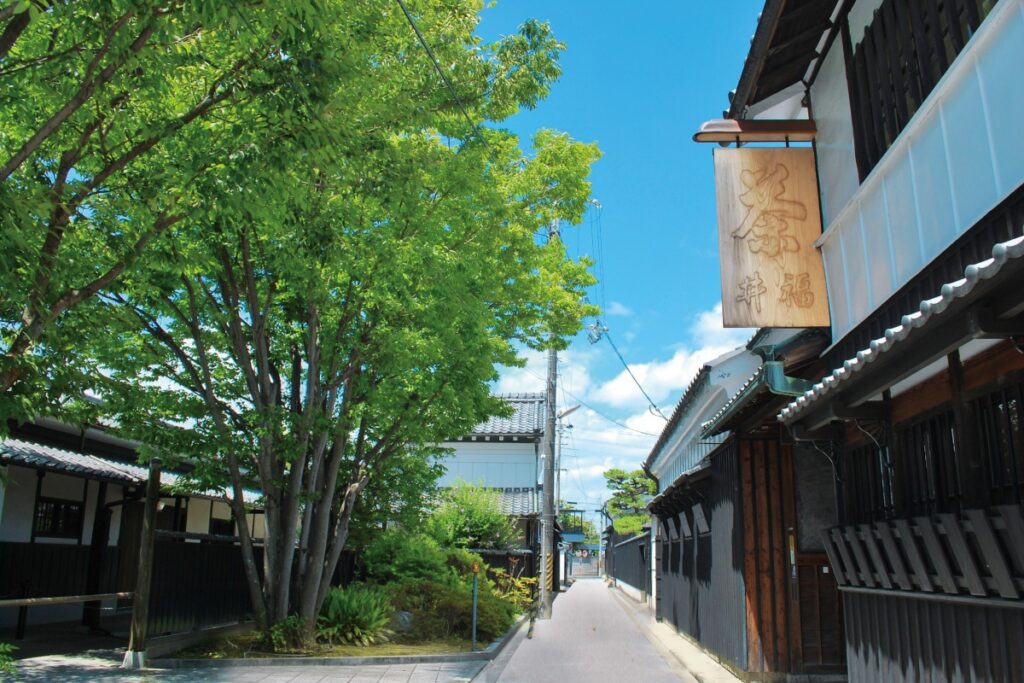
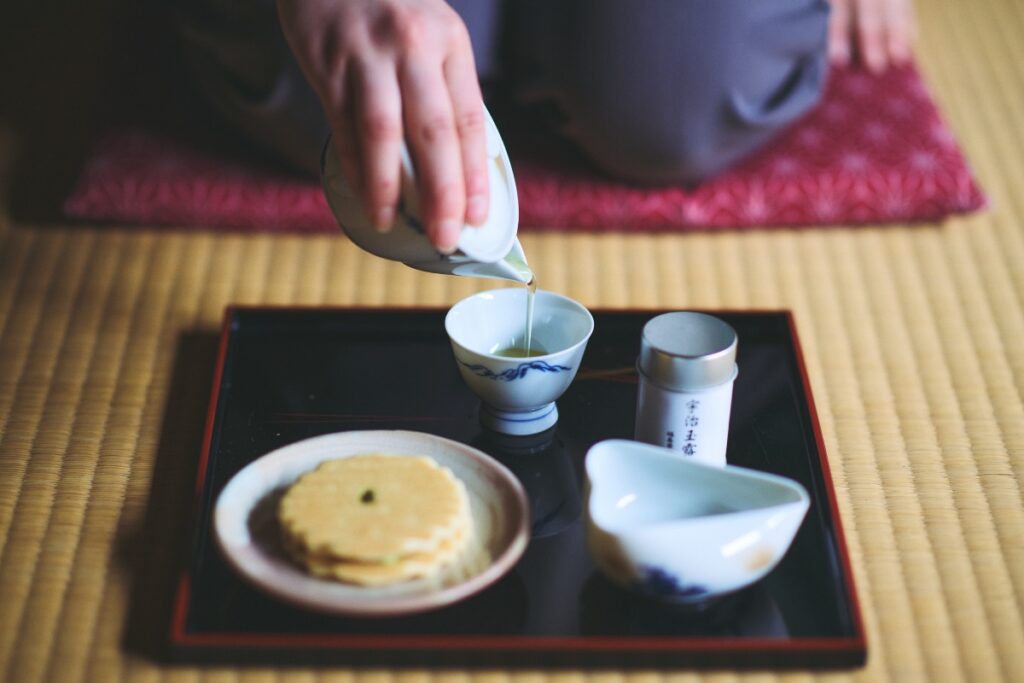
For hands-on experiences with Japanese tea, head to Fukujuen Yamashirokan, about an 8-minute walk from Kamikoma Station. Located in Yamashiro, where the Fukujuen tea company was founded, it lets you immerse yourself in the world of tea, from Tea Merchant Street, which recreates a historic district of tea merchants, to experiences where you can enjoy Japanese tea with sweets.
The views from the window are another highlight of the Nara Line. You cross the Uji River, then farmland and mountains spread out as the train heads south, with tea fields appearing here and there. Gaze out the window and take your time reflecting on the history and culture along the line.