【The Walking Route】
Start: Kyobashi Station is 16 minutes from Shibuya Station (¥210), 2 minutes from Shinbashi Station (¥180), and 18 minutes from Asakusa Station (¥210) on the Tokyo Metro Ginza Line.
Route: Tokyo Metro Ginza Line, Kyobashi Station → (1 min / 0.1 km) → National Film Archive of Japan → (7 min / 0.5 km) → Ginza Itoya Main Store → (6 min / 0.4 km) → The Seiko Museum Ginza → (2 min / 0.2 km) → Wako → (5 min / 0.3 km) → Kabukiza Theatre → (14 min / 0.9 km) → Toyoiwa Inari Shrine → (immediately) → Gekkoso Art Store → (12 min / 0.8 km) → Hibiya Park → (23 min / 1.5 km) → Ministry of Justice Red Brick Building → (2 min / 0.1 km) → Sakuradamon Station on the Tokyo Metro Yurakucho Line
Goal: From Sakuradamon Station, it’s 1 minute to Yurakucho Station (¥180) and 7 minutes to Iidabashi Station (¥180) on the Tokyo Metro Yurakucho Line.
This route: approx. 4.8 km / approx. 1 hour 10 minutes / approx. 6,400 steps
Yurakucho takes its name from Urakubara, so called because the area was once the site of the residence of Oda Urakusai, also known as Nagamasu, a younger brother of Oda Nobunaga who was also renowned as a master of the tea ceremony.
In the Edo period, the area around Hibiya Park was lined with the residences of feudal lords (daimyo). In the Meiji era, as symbols of modernization, Western-style buildings began to appear, including theaters, hotels, and the red-brick building of the Ministry of Justice. Today it is also an entertainment district where theaters and cinemas gather.
National Film Archive of Japan: a must-see spot for film lovers
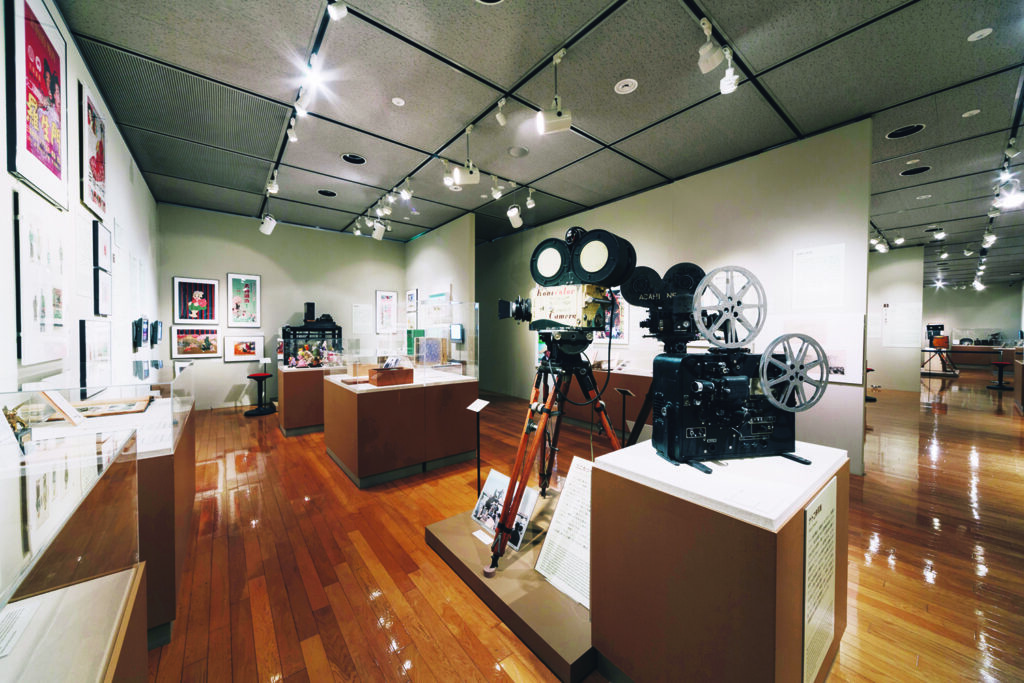
Japan’s only national institution dedicated to film. The permanent exhibition in the 7th-floor gallery displays film-related materials, focusing mainly on Japanese cinema. In its two screening halls, Japanese and international films are shown two or three times a day.
National Film Archive of Japan [ Ginza / Museum & Art Gallery ]
Address: 3-7-6 Kyobashi, Chuo-ku, Tokyo
Hours: 11:00–18:30 (library from 12:30)
Closed: Mondays, screening-preparation periods, and exhibition-changeover periods
Access: 1-minute walk from Kyobashi Station (Tokyo Metro Ginza Line) or Takaracho Station (Toei Asakusa Line)
Ginza Itoya Main Store: a stationery specialist where you can hunt for your favorites
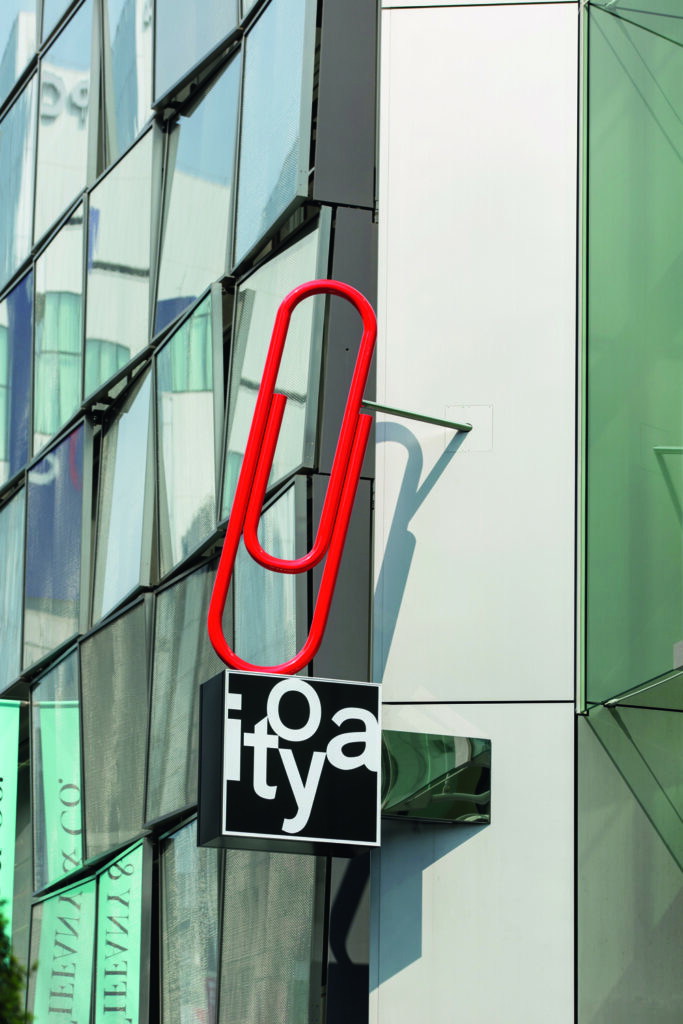
Founded in 1904 (the 37th year of the Meiji era). Its concept is “from a place to buy to a place to stay.” It sells stationery including its own original products and directly imported goods, and carries an extensive selection of fountain pens, some of which can be customized.
Ginza Itoya Main Store [ Ginza / Shop ]
Address: 2-7-15 Ginza, Chuo-ku, Tokyo
Hours: 10:00–20:00 (until 19:00 Sundays and public holidays)
Closed: None
Access: 2-minute walk from Ginza Station (subway)
The Seiko Museum Ginza: where you can see rare timepieces
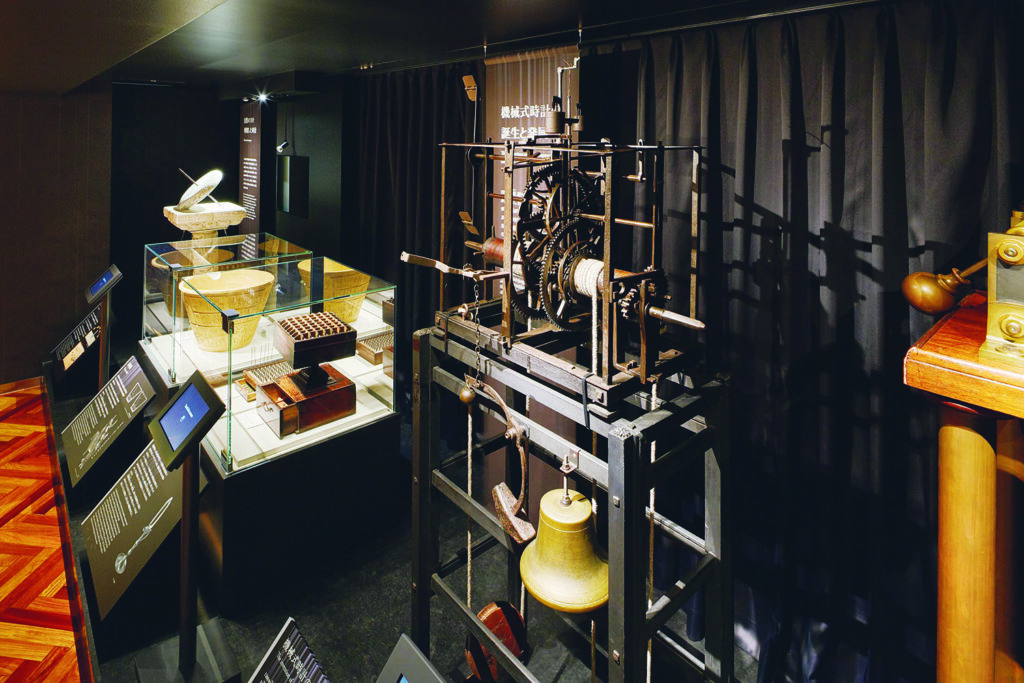
Introduces timepieces and materials on the theme of “time and clocks.” It newly opened in August 2020 in Ginza, the birthplace of Seiko. Here you can learn about many of Seiko’s representative watches, as well as the history of timekeeping.
The Seiko Museum Ginza [ Ginza / Museum & Art Gallery ]
Address: Seiko Namiki-dori Building, 4-3-13 Ginza, Chuo-ku, Tokyo
Hours: 10:30–18:00
Closed: Mondays
Access: 1-minute walk from Ginza Station (subway)
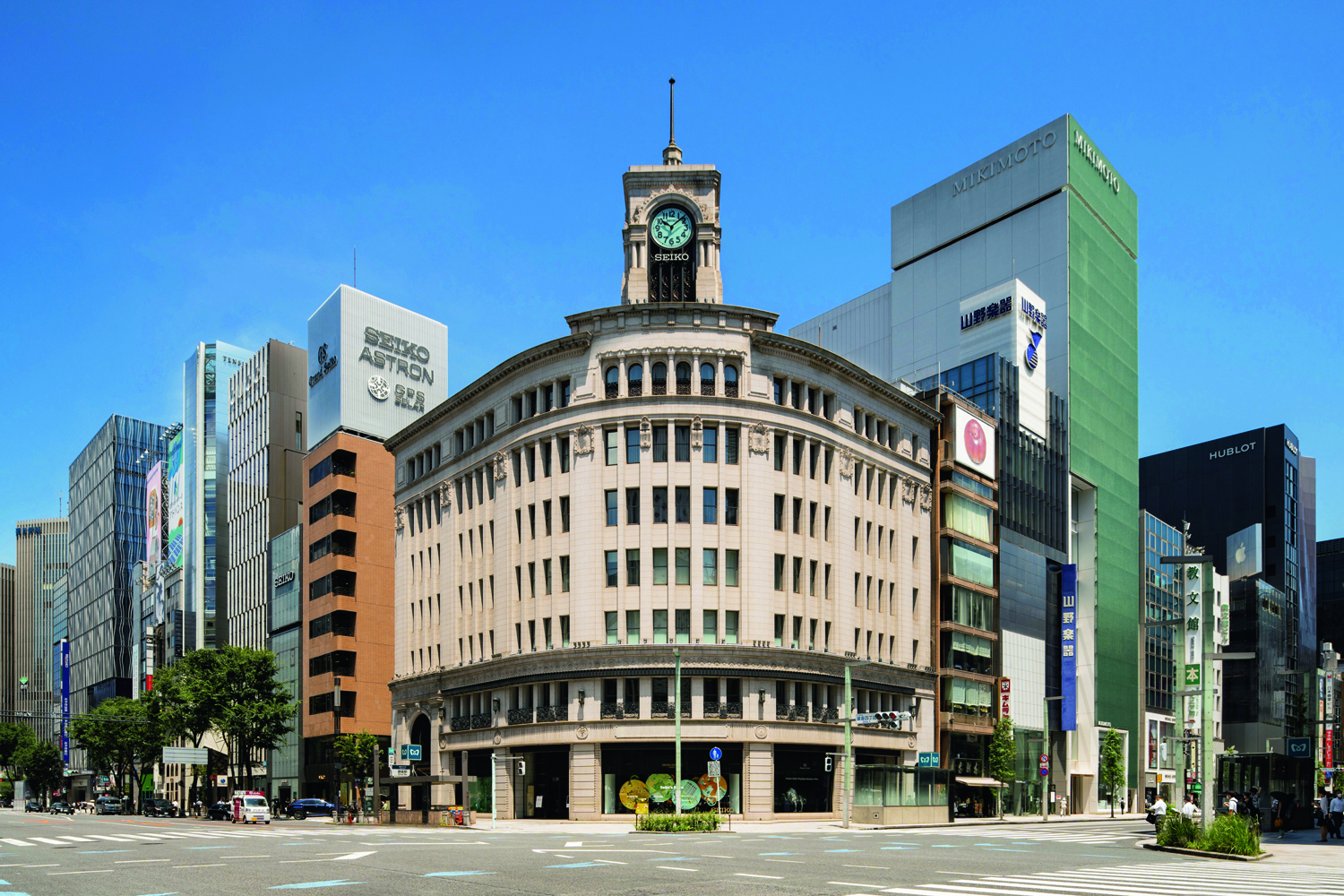
Wako: its clock tower is a symbol of Ginza
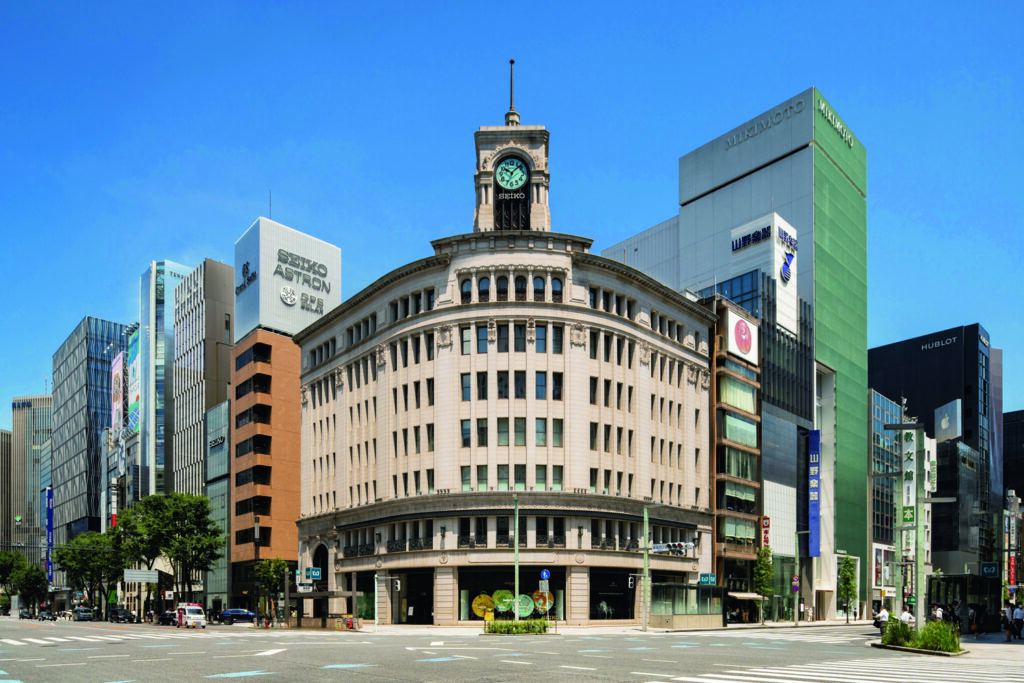
Wako operates from the basement to the fourth floor of “SEIKO HOUSE,” a Neo-Renaissance-style building facing the Ginza 4-chome intersection at the heart of Ginza, and deals in first-class goods.
Wako [ Ginza / Shop ]
Address: SEIKO HOUSE, 4-5-11 Ginza, Chuo-ku, Tokyo
Hours: 11:00–19:00
Closed: None
Kabukiza Theatre: take in kabuki, a traditional performing art
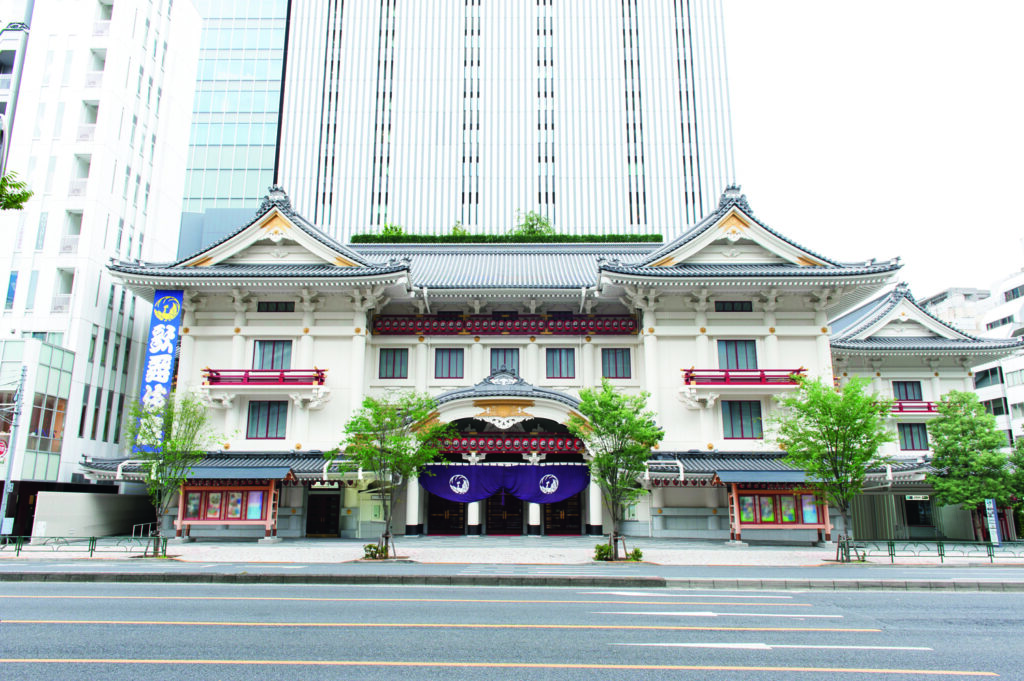
A theater dedicated to kabuki. Beyond the performances, it has an ample selection of restaurants and shops. We also recommend lunch at the third-floor restaurant “Hanakago,” and the kabuki collaboration goods, Japanese sweets, and sundry souvenirs at “Kobikicho Hiroba” on basement floor two.
Kabukiza Theatre [ Ginza / Facility ]
Address: 4-12-15 Ginza, Chuo-ku, Tokyo
Access: Right by Higashi-Ginza Station (Tokyo Metro Hibiya Line / Toei Asakusa Line), or a 5-minute walk from Ginza Station (subway)
Toyoiwa Inari Shrine: a power spot among the buildings
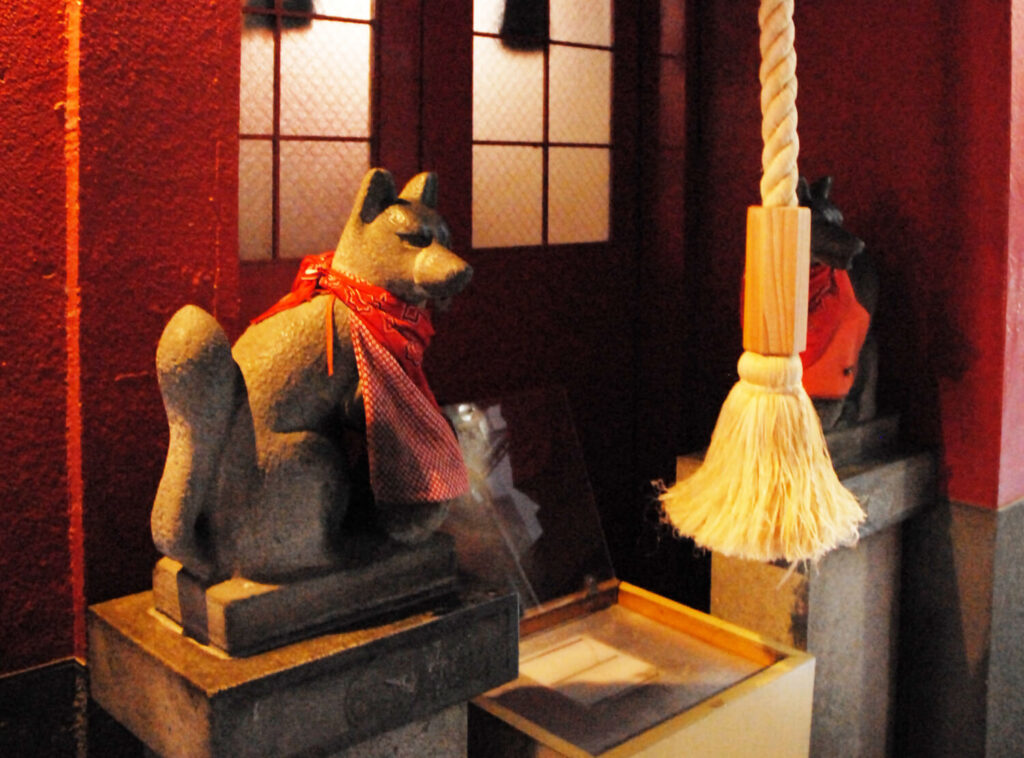
Down a back alley off Suzuran-dori, beyond a vermilion wall, stands a small shrine where two foxes sit enshrined. The year of its founding is unknown, but it is said to have been built by a retainer of Akechi Mitsuhide. It is believed to grant blessings for fire prevention and good matchmaking.
Toyoiwa Inari Shrine [ Ginza / Shrine ]
Address: 7-8-14 Ginza, Chuo-ku, Tokyo
Hours: Open to visitors at all times
Access: 5-minute walk from Ginza Station (subway)
Gekkoso Art Store: paints favored even by artists
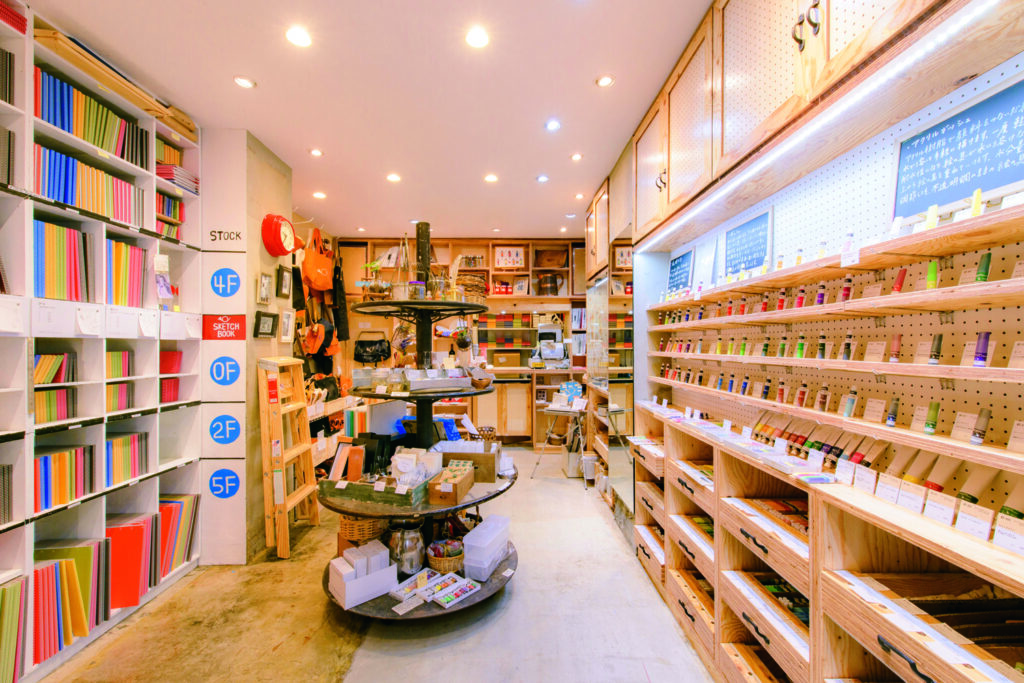
An art-supply shop that produced Japan’s first wholly domestically made paints, dealing exclusively in its own original products. Its beautiful, translucent colors have won many fans. In addition to paints, it sells brushes, palette knives, sketchbooks, and more.
Gekkoso Art Store [ Ginza / Shop ]
Address: Eiju Building 1F & B1, 8-7-2 Ginza, Chuo-ku, Tokyo
Hours: 11:00–18:00 (until 17:00 Saturdays, Sundays, and public holidays)
Closed: None
Hibiya Park: an urban oasis wrapped in flowers and greenery
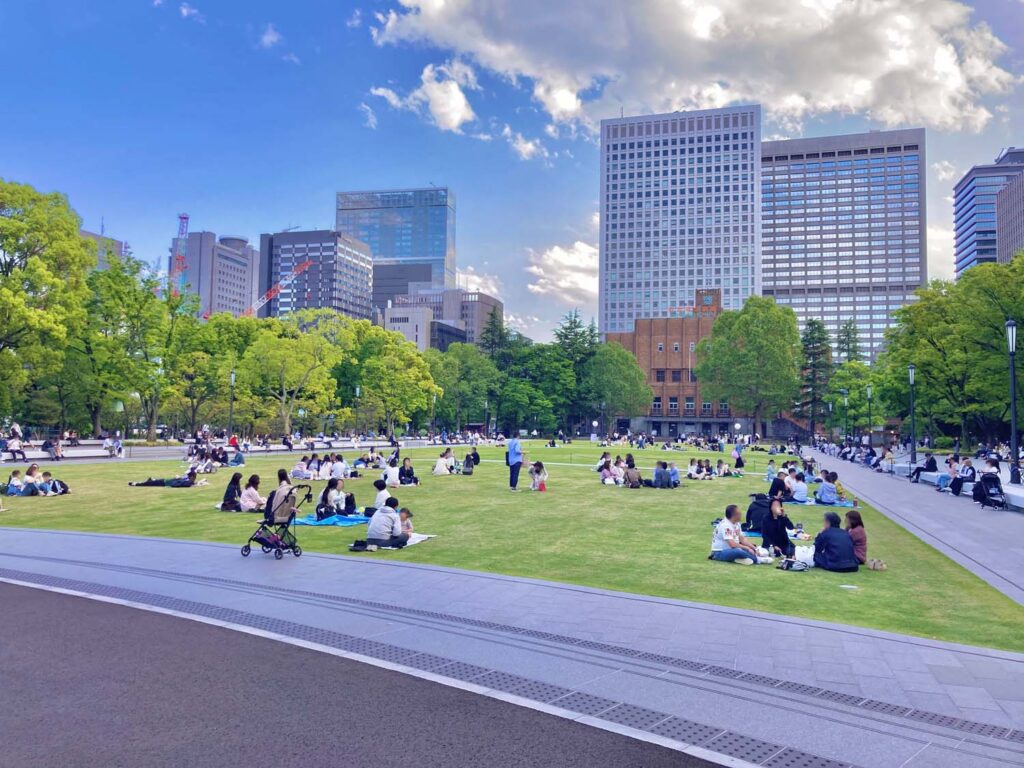
Flowers of all four seasons bloom throughout the grounds, and the open lawn plaza is a relaxing, spacious retreat. Bustling with crowds day after day, where people can be seen unwinding however they please, it is one of the park’s most appealing and emblematic spots.
Hibiya Park [ Hibiya / Park ]
Address: 1 Hibiya Park, Chiyoda-ku, Tokyo
Hours: Open at all times
Access: Right by Hibiya Station (subway)
Ministry of Justice Red Brick Building: a striking red-brick hall in the government district
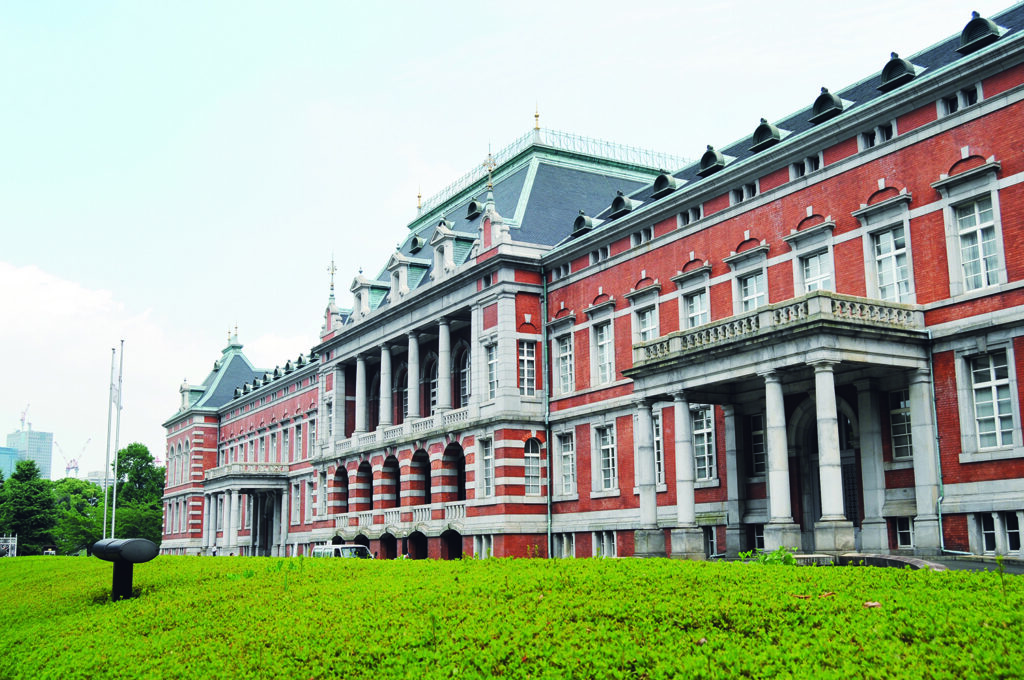
Completed in 1895 (the 28th year of the Meiji era) as the Ministry of Justice. Though it was gutted by wartime fire, leaving only its brick walls standing, it was restored to its original appearance in 1994. Inside, there are exhibits on the justice system and on the architecture of the red-brick building.
Ministry of Justice Red Brick Building [ Akasaka, Kasumigaseki & Nagatacho / Historic Site ]
Address: 1-1-1 Kasumigaseki, Chiyoda-ku, Tokyo
Hours: 10:00–17:30 (until 15:30 on the 3rd Friday of each month)
Closed: Saturdays, Sundays, and public holidays
Access: 1-minute walk from Sakuradamon Station (Tokyo Metro Yurakucho Line)
[Ginza Dining]
Rengatei: a long-established restaurant said to be the birthplace of yoshoku
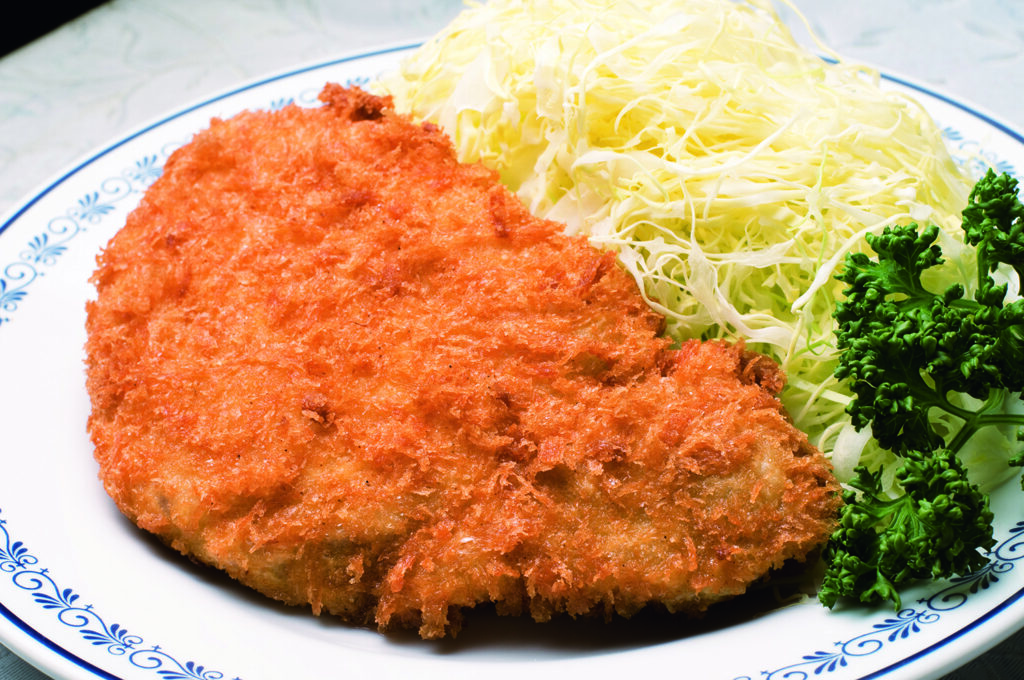
Founded in 1895 (the 28th year of the Meiji era), Rengatei serves many Western-style dishes said to have originated here. One is the pork cutlet (¥3,000), created with inspiration from tempura. Its crisp coating pairs beautifully with the juicy loin pork.
Rengatei [ Ginza / Western-Style Cuisine ]
Address: 3-5-16 Ginza, Chuo-ku, Tokyo
Hours: 11:15–14:00 (LO) and 17:30–20:00 (LO)
Closed: Sundays (occasional irregular closures)
Access: 3-minute walk from Ginza Station (subway)
[Ginza Dining]
Ginza West Main Store: the pleasant charm of a classic coffeehouse
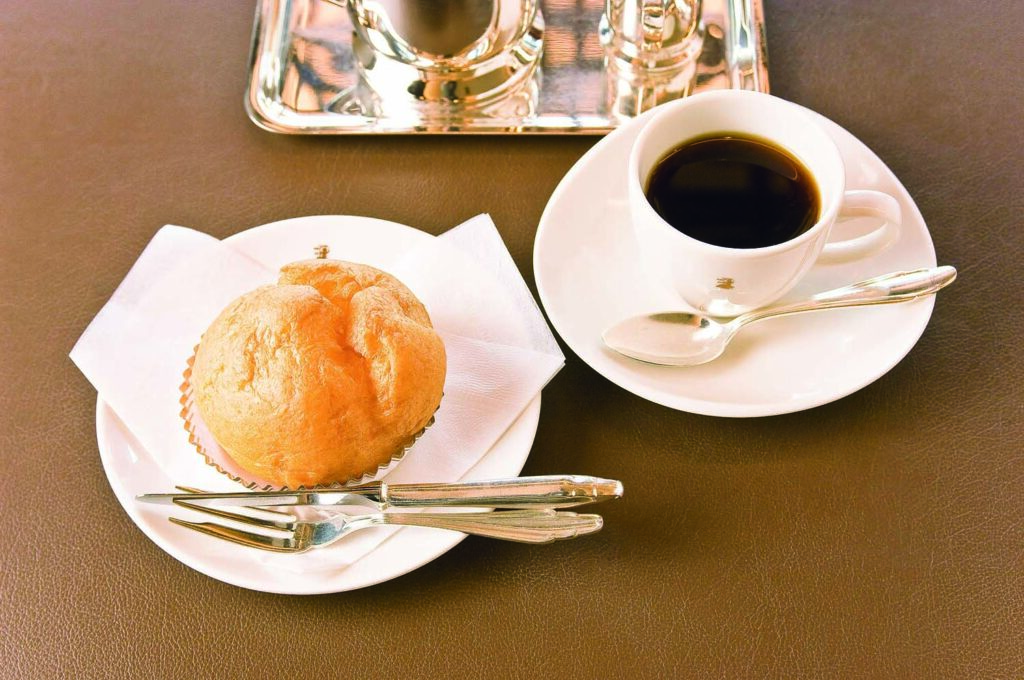
Founded in 1947. The blend coffee (¥1,210), mild and primarily Blue Mountain, comes with free refills. The lightly sweetened cream puff (¥550) is also popular.
Ginza West Main Store [ Ginza / Sweets ]
Address: 7-3-6 Ginza, Chuo-ku, Tokyo / Hours: 9:00–21:00 (11:00–20:00 Saturdays, Sundays, and public holidays) / Closed: None / Access: 5-minute walk from Ginza Station (subway)
[Town Exploration]
Local ingredients, regional dishes, and specialty products—tour them as if you were traveling! Ginza’s antenna shops
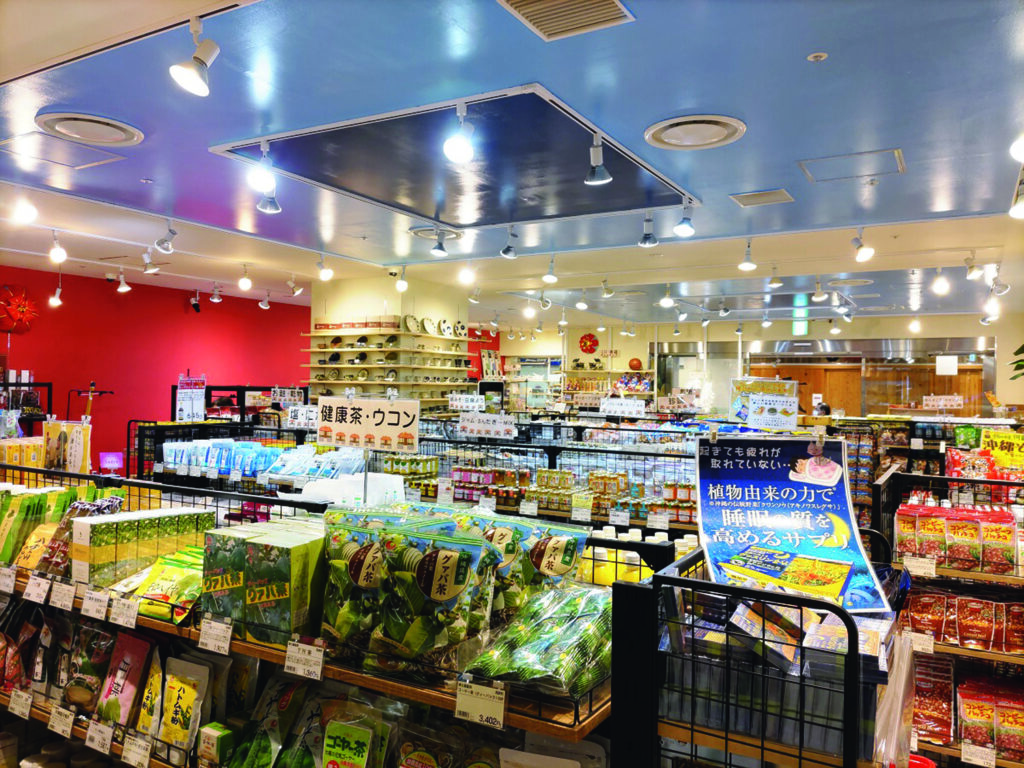
In this area centered on Ginza, more than 20 antenna shops are scattered about, letting you buy delicious foods and specialty products from all over Japan without leaving Tokyo. Some have restaurants attached, so you can also sample regional specialty dishes.
The “Tokyo Kotsu Kaikan” in front of JR Yurakucho Station is a treasure trove of antenna shops. Hokkaido Dosanko Plaza carries a wide range, from staples like Royce’ chocolates to brand-new debut items. There are more than ten shops in all, including Akita Furusato-kan and the Tokushima-Kagawa Tomoni Ichiba. On top of that, Ginza Washita Shop, formerly along Sotobori-dori, has relocated here too. It sells Okinawan specialties such as chinsuko, umibudo (sea grapes), and awamori, as well as sanshin (three-stringed instruments).
Nearby along Ginza-dori there is also IBARAKI sense, while close to Hibiya Station you’ll find Kagoshima Yurakukan, and near Kabukiza there’s Iwate Ginga Plaza, among others.
Since these enticing antenna shops are dotted throughout the area, hopping from one to the next makes for a fun outing.
Reporting, text, and photography: Ad Green