
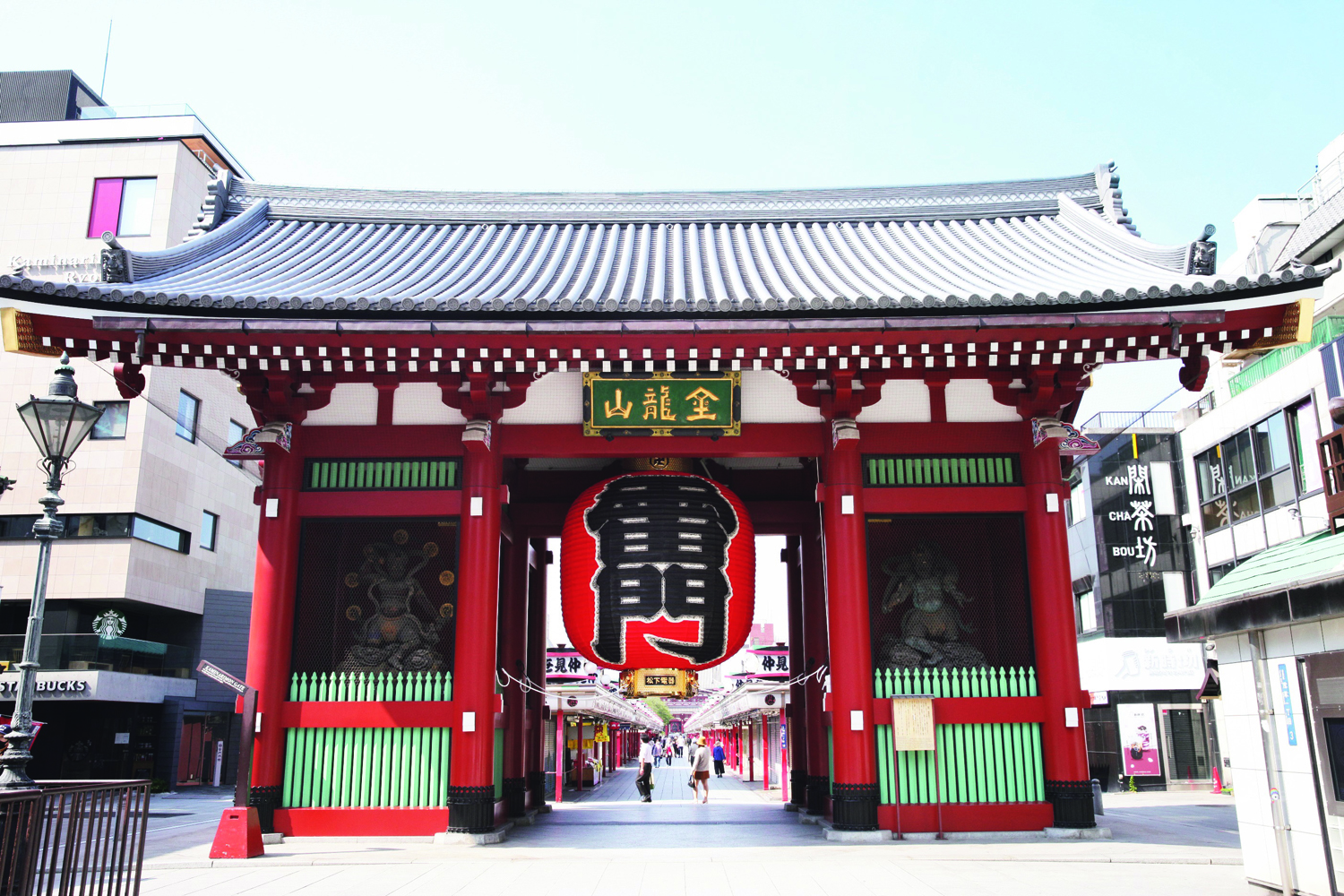
【The Walking Route】
Start: Asakusa Station is 6 minutes from Ueno Station on the Tokyo Metro Ginza Line (¥180), and 13 minutes from Shinbashi Station on the Toei Asakusa Line (¥220). The Tsukuba Express and Tobu Skytree Line are also available.
Route: Tokyo Metro Ginza Line / Toei Asakusa Line, Asakusa Station → (1 min / 0.1 km) → Kaminarimon → (immediately) → Nakamise → (6 min / 0.4 km) → Senso-ji Temple → (2 min / 0.1 km) → Asakusa Shrine → (6 min / 0.4 km) → Sumida Park → (8 min / 0.5 km) → Matsuchiyama Shoden → (4 min / 0.3 km) → Imado Shrine → (19 min / 1.3 km) → Edo Taito Traditional Crafts Center → (2 min / 0.2 km) → Asakusa Hanayashiki → (immediately) → Hoppy Street → (11 min / 0.7 km) → Tokyo Metro Ginza Line / Toei Asakusa Line, Asakusa Station
Goal: For onward transport from Asakusa Station, see Start above.
This route: approx. 4.0 km / approx. 1 hour / approx. 5,400 steps
Asakusa developed as a temple town around Senso-ji Temple, and by the Edo period it had become a hub of commerce, with merchants from the nearby warehouse district of Kuramae setting up shop and drawing people, money, and goods into the area. The Great Meireki Fire of 1657 brought with it a relocation of the pleasure quarters from Ningyocho, along with kabuki theaters, joruri puppet theaters, and marionette halls, transforming Asakusa into a genuine entertainment district. From the Meiji era onward, it continued to flourish with observation towers, vaudeville halls, theaters, and cinemas.
The undisputed centerpiece of any visit to Asakusa is Senso-ji Temple. The outer gate, Kaminarimon (Thunder Gate), the atmospheric shopping street of Nakamise, and Denpoin-dori—a lane reconstructed to evoke an old Edo streetscape—offer one highlight after another. The neighborhood also comes alive during the Sanja Festival and the Asakusa Samba Carnival. Add to that a wealth of restaurants beloved by food lovers and famous izakayas, and it’s little wonder that more than 30 million people visit every year.
●Nakamise: souvenir shops and street food, side by side
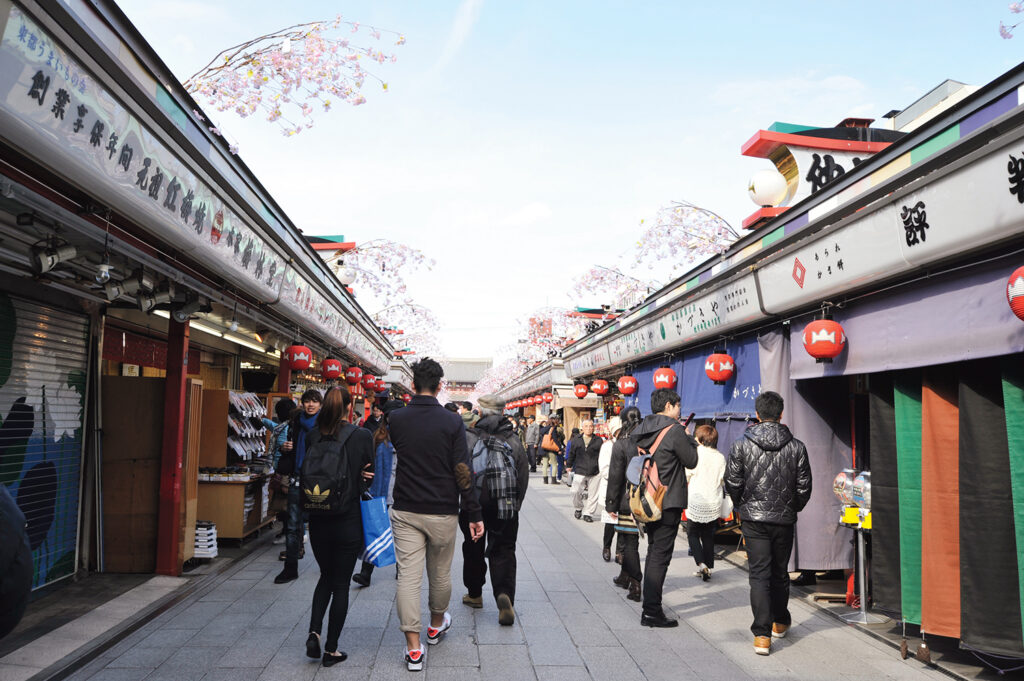
Running approximately 250 meters along the approach to Senso-ji Temple, from Kaminarimon (Thunder Gate) to the Hozomon inner gate, Nakamise is said to have been established between the Genroku and Kyoho eras (1688–1735), making it one of the oldest shopping streets in Japan. The stone-paved walkway and the uniformly designed illuminated signboards create a distinctly Japanese atmosphere that resonates with visitors from around the world. Around 90 shops line the street, selling traditional souvenirs that have been here for generations alongside popular takeaway food.
Nakamise [ Asakusa / Walk ]
Address: 1-36-3 Asakusa, Taito-ku, Tokyo
Access: 3-minute walk from Asakusa Station (private railway / subway)
●Senso-ji Temple: Tokyo’s oldest temple, busy every day of the year
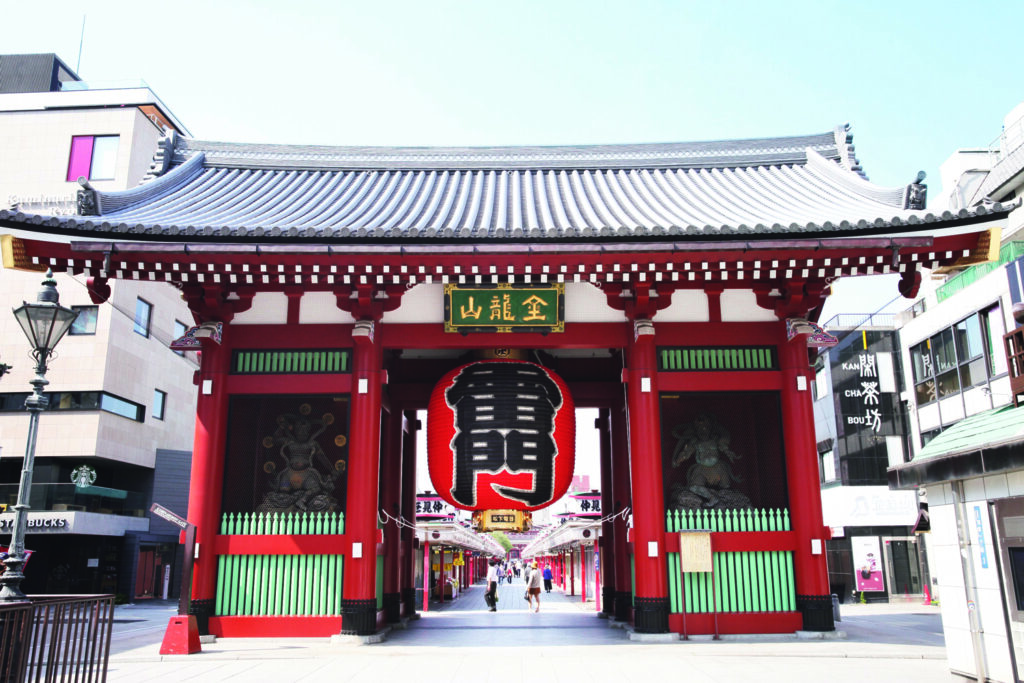
Said to have been founded in 628, in the reign of Empress Suiko, Senso-ji is the oldest temple in Tokyo. According to legend, the brothers Hinokuma Hamanari and Takenari were fishing in the Sumida River when they drew up a sacred image of Kannon in their net, brought it ashore, and enshrined it. Also known as “Asakusa Kannon,” the temple receives more than 30 million visitors a year.
Senso-ji Temple [ Asakusa / Temple ]
Address: 2-3-1 Asakusa, Taito-ku, Tokyo
Hours: Grounds open at all times (main hall 6:00–17:00; from 6:30 October–March) Access: 5-minute walk from Asakusa Station (private railway / subway)
●Asakusa Shrine: home of the Sanja Festival, one of the Three Great Edo Festivals
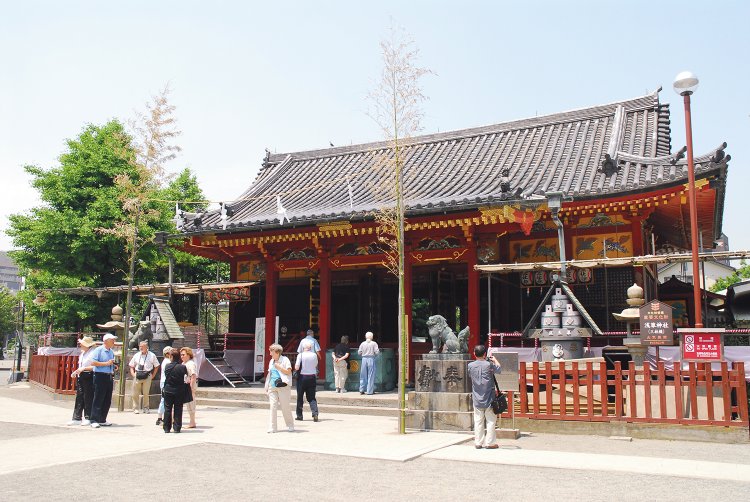
The enshrined deities are the brothers Hinokuma Hamanari and Takenari, who discovered the principal image of Senso-ji, together with Haji no Nakatomo, who enshrined that statue. Also affectionately known as “Sanja-sama,” the shrine holds the Sanja Festival in mid-May. The shrine pavilion, donated by the third shogun Tokugawa Iemitsu, is a nationally designated Important Cultural Property.
Asakusa Shrine [ Asakusa / Shrine ]
Address: 2-3-1 Asakusa, Taito-ku, Tokyo
Hours: Open to visitors at all times
Access: 7-minute walk from Asakusa Station (private railway / subway)
●Sumida Park: a celebrated cherry blossom spot on the grounds of a former Mito Domain estate
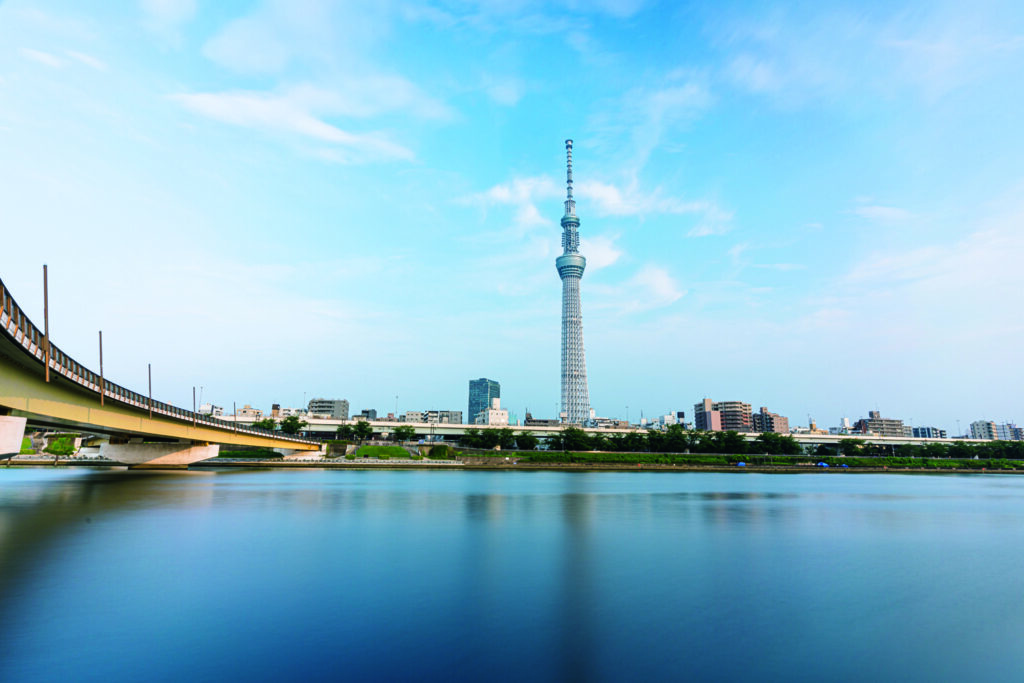
The rows of cherry trees along the Sumida River, planted at the behest of the eighth shogun Tokugawa Yoshimune, number around 700 and put on a magnificent floral display in season. In summer, the Sumida River Fireworks Festival draws large crowds of spectators.
Sumida Park [ Mukojima / Park ]
Address: Mukojima and elsewhere, Sumida-ku, Tokyo
Hours: Open to visitors at all times
Access: 5-minute walk from Asakusa Station (private railway / subway)
●Matsuchiyama Shoden: with its distinctive daikon and kinchaku motifs
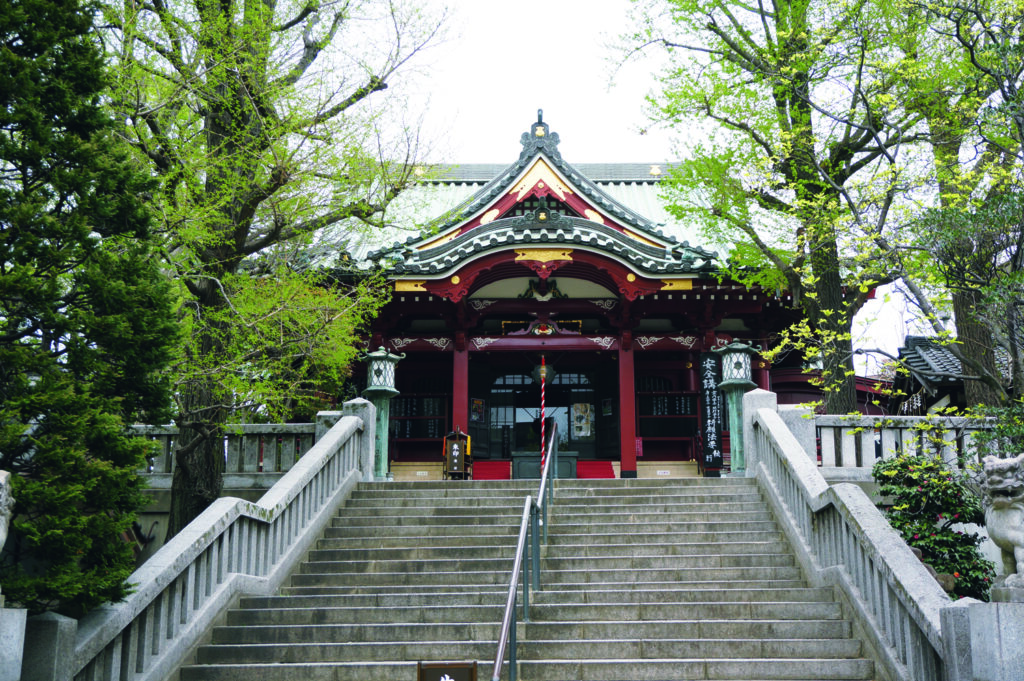
Its formal name is Honryuin, but it is known by this name because its principal deity is Kangiten, also called Sho-ten. Around the grounds you’ll find carvings of daikon radishes, which signify health, good matches, and marital harmony, and of kinchaku (drawstring pouches), which represent prosperity in business. On the west side of the temple stands a monument marking the birthplace of the novelist Ikenami Shotaro.
Matsuchiyama Shoden [ Asakusa / Temple ]
Address: 7-4-1 Asakusa, Taito-ku, Tokyo
Hours: 6:00–16:30 / Closed: None
Access: 10-minute walk from Asakusa Station (private railway / subway)
●Imado Shrine: visit and pray for the blessing of good matches
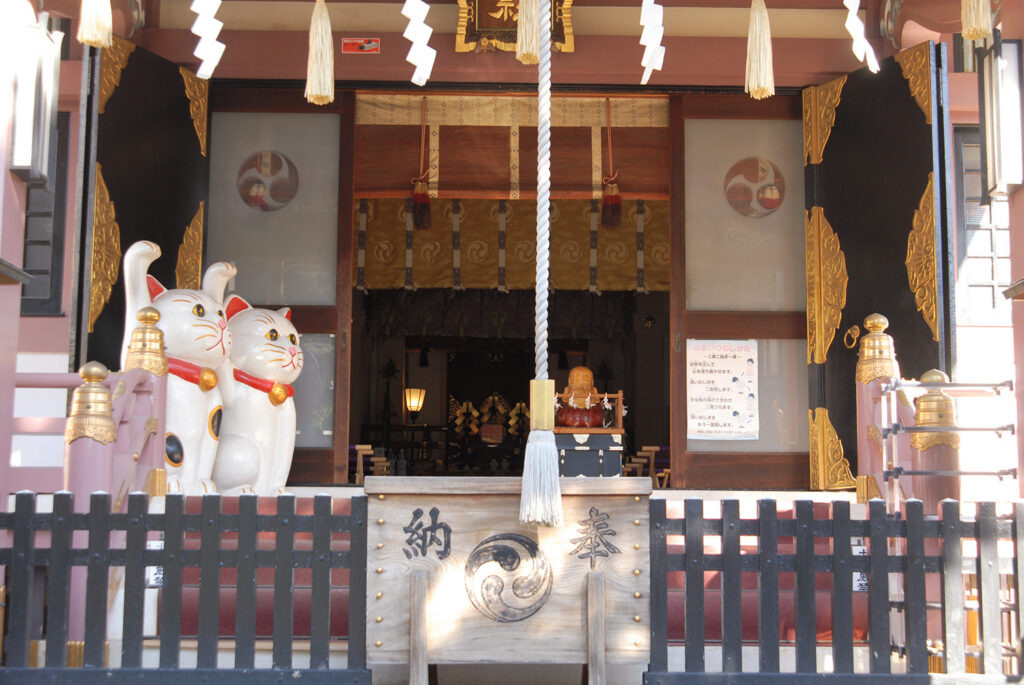
The shrine traces its origins to 1063 (the sixth year of the Kohei era), when a branch deity of Iwashimizu Hachimangu in Kyoto was enshrined here. Said to be the birthplace of the maneki-neko (beckoning cat), it enshrines countless figures throughout its grounds. Known for its blessings in matchmaking, it also hosts matchmaking events.
Imado Shrine [ Asakusa / Shrine ]
Address: 1-5-22 Imado, Taito-ku, Tokyo
Hours: Open to visitors at all times
Access: 15-minute walk from Asakusa Station (private railway / subway)
●Edo Taito Traditional Crafts Center: traditional crafts showcasing the artisan’s skill
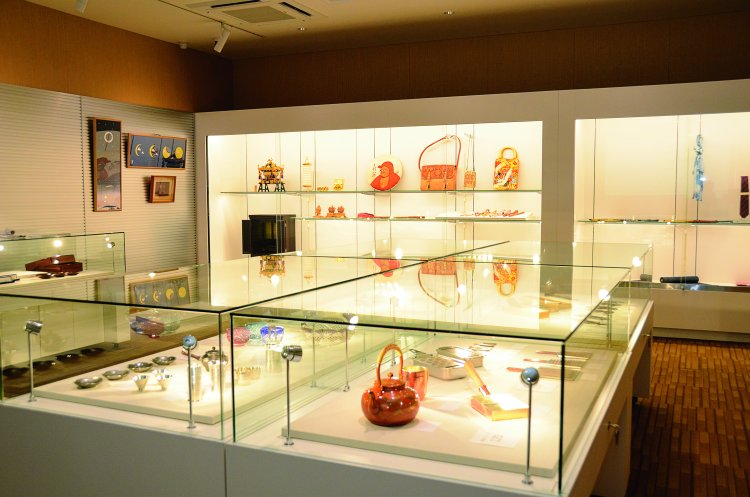
The center introduces traditional crafts nurtured within the history and character of the shitamachi. On display are around 250 items across some 50 trades, including Edo Sudare (slatted bamboo blinds), Tokyo Kiri Tansu (paulownia chests), and Edo Sashimono (wood joinery). You can also see how the crafts are made, along with the materials and tools the artisans use.
Edo Taito Traditional Crafts Center [ Asakusa / Museum & Art Gallery ]
Address: 2-22-13 Asakusa, Taito-ku, Tokyo
Hours: 10:00–18:00 / Closed: 2nd and 4th Tuesday (the following day if a public holiday)
Access: 15-minute walk from Asakusa Station (private railway / subway)
●Asakusa Hanayashiki: a park that continues to spin its history
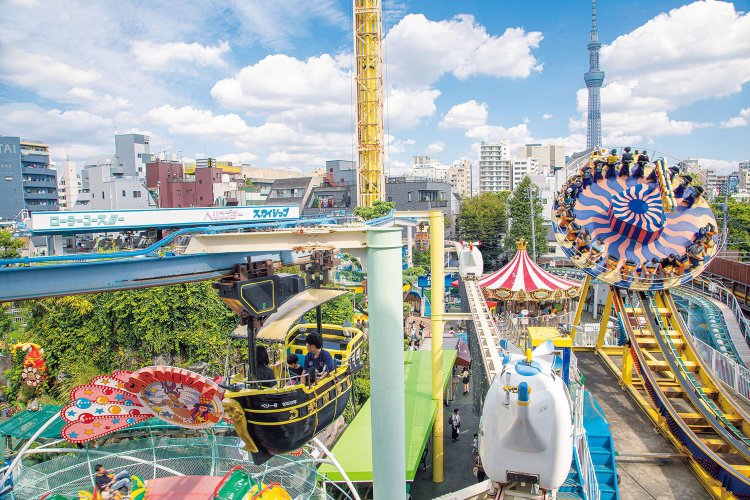
Japan’s oldest amusement park, opened in 1853 (the sixth year of the Kaei era). Its compact grounds are packed with retro, one-of-a-kind attractions. It’s a place where you can soak up a Japanese atmosphere together with your children.
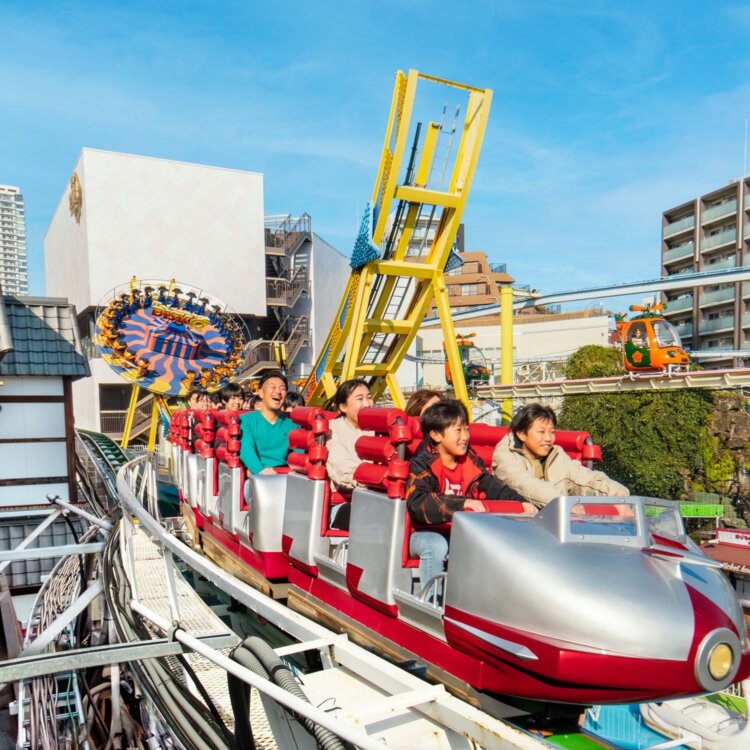
Asakusa Hanayashiki [ Asakusa / Facility ]
Address: 2-28-1 Asakusa, Taito-ku, Tokyo
Hours: 10:00–17:30 (varies by season and weather)
Closed: Occasional maintenance closures (please check in advance)
Access: 5-minute walk from Asakusa Station (Tsukuba Express), or 10-minute walk from Asakusa Station (private railway / subway)
●Hoppy Street: a glass of Hoppy, even in the middle of the day
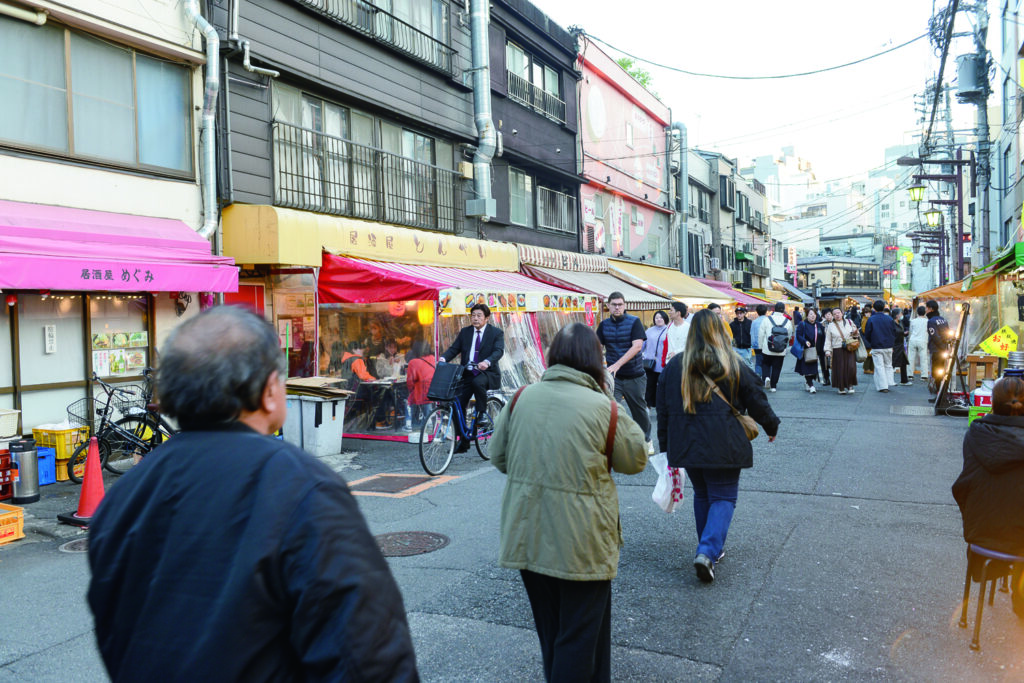
On the west side of Senso-ji, a corner where popular taverns stand shoulder to shoulder is known as “Hoppy Street” or “Nikomi (Stew) Street,” and it bustles as a spot where you can drink from midday. Enjoy a Hoppy at the tables spilling out onto the street. You might also try bar-hopping among places like Sho-chan, famous for its beef stew (gyu-nikomi) topped with a big block of tofu, and Akatonbo, known for its tasty motsu-ni (offal stew).
Hoppy Street [ Asakusa / Dining ]
Address: Asakusa 2-chome, Taito-ku, Tokyo
Access: 6-minute walk from Asakusa Station (private railway / subway)
[Asakusa Dining]
Yoshikami: the Western-style restaurant beloved by Asakusa’s entertainers
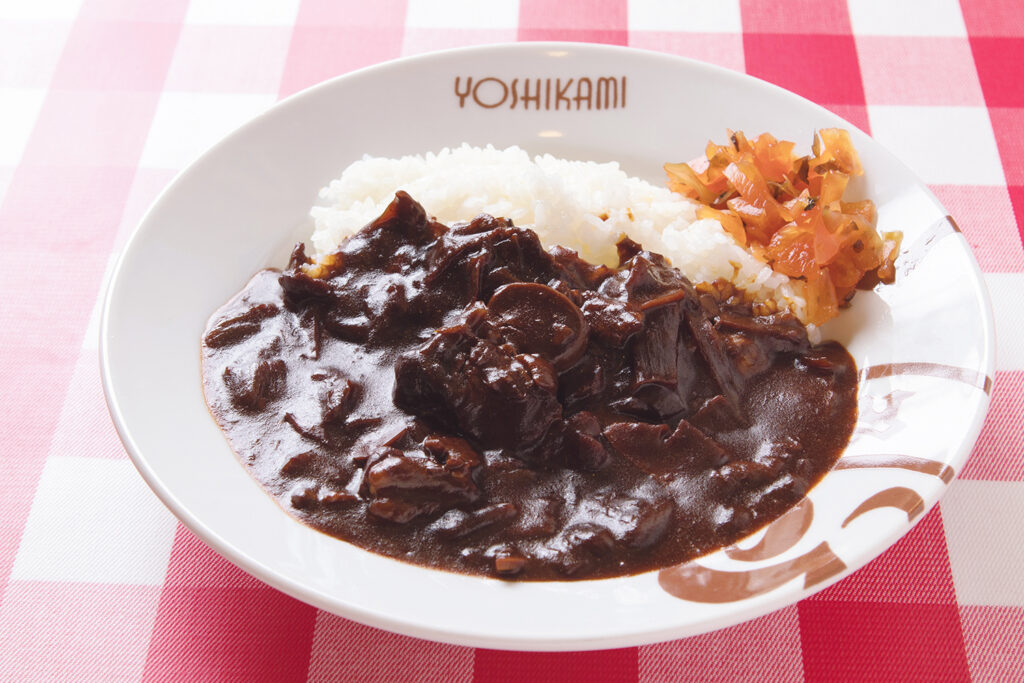
Founded in 1951. True to the sign out front—“Sorry it’s so delicious!”—the menu is lined with the restaurant’s prized Western-style dishes. The hayashi rice, whose rich demi-glace sauce is the key to its flavor, is limited to 40 servings a day.
Yoshikami [ Asakusa / Western-Style Cuisine ]
Address: 1-41-4 Asakusa, Taito-ku, Tokyo
Hours: 11:30–21:00 / Closed: Thursdays
Access: 1-minute walk from Asakusa Station (Tsukuba Express)
[Asakusa Dining]
Asakusa Mangando, Orange Street Main Store: freshly baked and fragrant, right at the counter
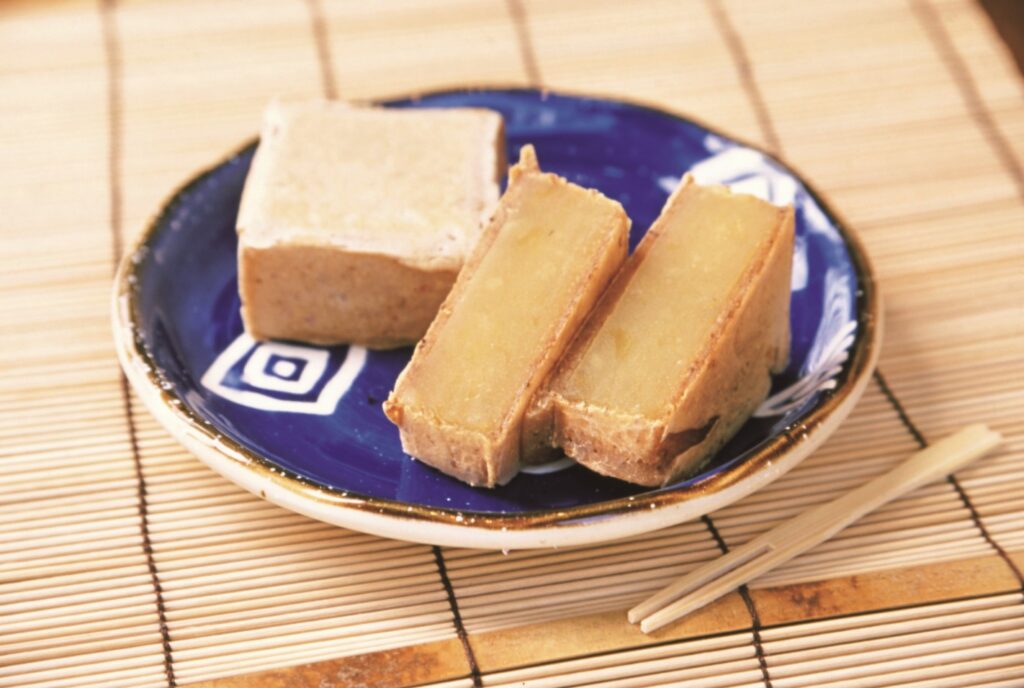
The signature product is the imokin (¥173 each), a sweet potato kintsuba made with carefully selected, high-quality sweet potatoes. The filling, made by sieving baked sweet potato, has a soft, fluffy texture and a gentle sweetness.
Asakusa Mangando, Orange Street Main Store [ Asakusa / Japanese Sweets ]
Address: 1-21-5 Asakusa, Taito-ku, Tokyo
Hours: 10:00–18:00
Closed: 1st and 3rd Tuesday (open if a public holiday)
Access: 5-minute walk from Asakusa Station (private railway / subway)
Reporting, text, and photography: Ad Green
Recommend Articles
-
East Japan
A Journey Through Art via the Yamanote Line: Tokyo Through the Eyes of Kawase Hasui
East Japan(itinerary)
-
East Japan
Ask your friendly merchants’ association chiefs anything about their area – the highlights tour of Shimbashi
-
Details about JR tickets
-
East Japan
[Tokyo Walking Course] Ginza, Yurakucho, and Hibiya: A Center of Commerce and Culture in the Modern Era, with Plenty of Antenna Shops, Too
Tokyo